Blanket Yarns Manufacturers

POY Yarn Series FDY Yarn Series DTY Yarn Series Blanket Yarn Series Polyester Carpet and Rug Yarn Ultra high molecular weight polyethylene Yarn Series Functional Yarn Series

Blanket Yarns

PRODUCT DETAILS

  • Parameters
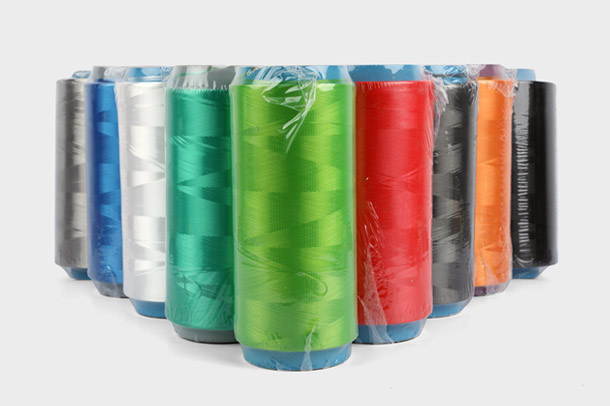
  • Color Card
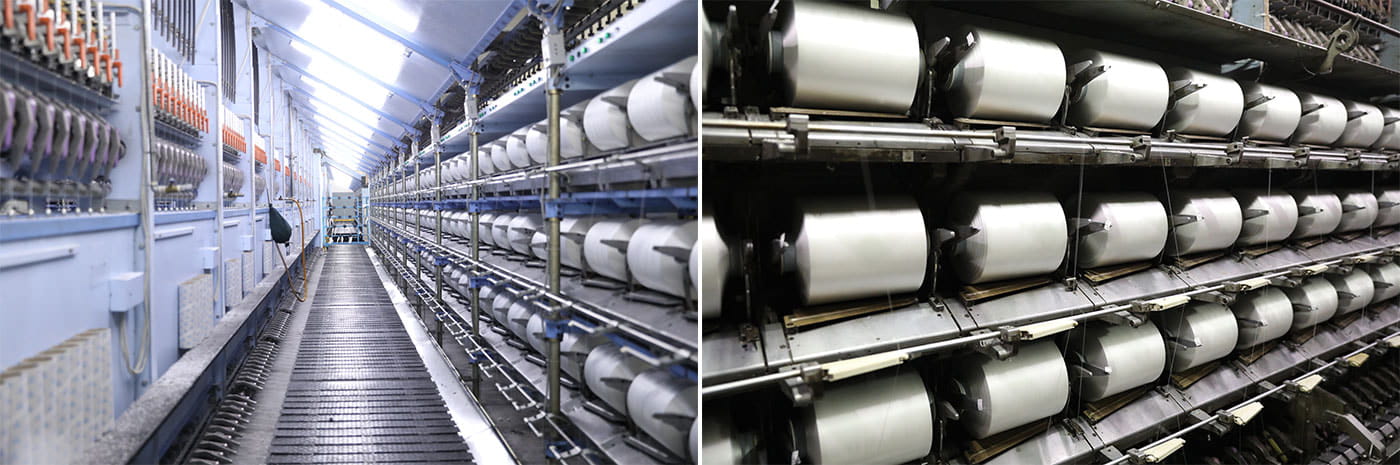
  • Quipment
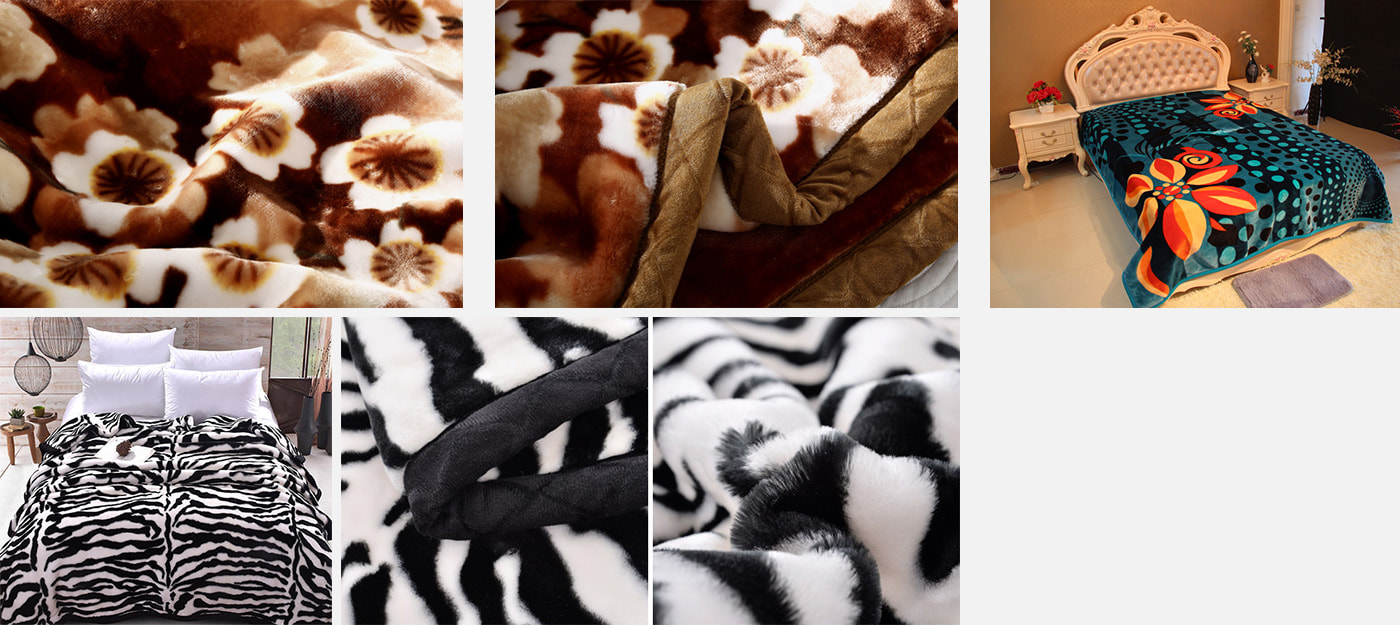
  • Application

ITEM

SPEC

SD

TBR

BLANKET YARN DTY 150D/144F  · ·
DTY 200D/96F/122F/144F · ·
DTY 250D/122F/144F  · ·
DTY 300D/96F/122F/144F/192F  · ·
DTY 450D/192F · ·
DTY 350D/122F/144F  · ·
  • High Bulk and Pile Density: The textured crimp structure maximizes filament separation within the pile layer, producing dense, lofty blanket surfaces with strong thermal insulation and a substantial hand weight.
  • Low Denier Per Filament (DPF): Fine individual filaments within the yarn bundle produce a softer pile surface after napping and shearing, reducing the prickling sensation associated with coarser filament yarns in skin-contact blanket products.
  • Consistent Crimp Stability: Controlled crimp contraction ratio and crimp stability ensure uniform pile height and surface density across blanket fabric rolls, reducing variation in finished product weight and appearance.
  • Color Retention After Finishing: Polyester filament retains dye uniformly through the napping, shearing, and heat-setting finishing sequence, maintaining color depth and fastness in the final blanket product.
  • Dimensional Stability in Washing: Low boil-off shrinkage and stable crimp structure contribute to blanket dimensional retention through repeated consumer laundering cycles.
  • Recyclable Raw Material Base: Recycled polyester (rPET) blanket yarn grades support sustainability requirements for eco-label blanket products and brand recycled content commitments.

Product Specifications & Technical Parameters

Key Technical Parameters

Parameter Typical Range Unit
Denier Range 150 – 600 D
Filament Count 96 – 288 f
Denier Per Filament (DPF) 0.8 – 2.5 dpf
Tenacity 2.8 – 3.8 g/d
Elongation at Break 25 – 40 %
Crimp Contraction Ratio (CCR) 15 – 35 %
Crimp Stability ≥ 75 %
Boil-Off Shrinkage ≤ 4.0 %
Oil Pick-Up (OPU) 2.5 – 4.5 %
Interlace Nodes 30 – 80 nodes/m

Available Variants

  • Semi-Dull (SD) Blanket Yarn: Standard luster grade providing a balanced surface appearance after napping; the most widely used specification for general residential blanket production.
  • Full Dull (FD) Blanket Yarn: Matte surface finish preferred for blanket products targeting a natural, cotton-like visual texture; commonly used in infant and healthcare blanket categories.
  • Bright (BRT) Blanket Yarn: Higher optical luster for blanket and throw products with a shiny or metallic visual effect; used in decorative and fashion throw constructions.
  • Microfiber Blanket Yarn: Very low DPF (0.5–1.0 dpf) producing an exceptionally fine and soft pile surface; used in premium microfiber blanket and plush throw products.
  • Cationic Dyeable Blanket Yarn: Modified copolymer enabling cationic dye uptake for two-tone or melange color effects in blanket pile without yarn-level blending.
  • Recycled Blanket Yarn (rPET): Produced from GRS-certified recycled PET; available in SD and FD luster grades for sustainable blanket product lines.
  • High Bulk Blanket Yarn: Produced with elevated CCR for maximum pile loft and blanket weight; used in heavy-weight plush and sherpa-style blanket constructions.

In order to guarantee the quality of products, we actively introduce advanced technology and equipment at home and abroad, ongoing technological transformation and innovation, improve the level of production. Up to now, the group has owned the production equipment which were introduced from the developed countries such as Germany and domestic well-known companies ,and owned a complete set of production line matched with the equipment , leading to annual output of 120,000 tons of spinning and draw texturing . The group has imported the ISO9000 quality certification system and established a mature system of quality management. Excellent quality always comes from sophisticated equipment and excellent management. More than 80% of the key production equipment in the group are introduced from Germany and domestic famous enterprises, reaching the international first-class equipment level.
Frequently Asked Questions

What denier and filament count should be selected for a soft microfiber blanket?

For microfiber blanket fabric targeting maximum pile softness, yarns in the range of 150D/288f to 200D/288f are commonly specified, producing a DPF of approximately 0.5–0.7. The high filament count at a moderate total denier creates an extremely fine, flexible pile surface after napping. For standard fleece blankets with acceptable softness at a lower yarn cost, 150D/144f or 200D/144f semi-dull DTY (DPF approximately 1.0–1.4) is a widely used specification.

Why does blanket pile flatten or mat after washing?

Pile flattening after washing is most commonly caused by insufficient crimp stability in the blanket yarn, residual shrinkage in the pile fiber, or inadequate heat-setting of the finished fabric. Crimp stability below 75% means the pile filaments lose their crimped, lofted structure when subjected to the mechanical agitation and thermal exposure of a washing cycle. Specifying blanket yarn with crimp stability ≥75% and ensuring proper heat-setting during fabric finishing (temperature and dwell time calibrated to the yarn's shrinkage specification) significantly reduces post-wash pile collapse.

What causes pilling on the surface of polyester fleece blankets?

Pilling in polyester fleece blankets results from loose filament ends on the fabric surface that entangle and form pills during use and washing. The primary causes are excessive filament breakage during napping (typically from low yarn tenacity or incorrect napping tension settings), insufficient filament count (higher DPF yarns break more readily under napping), and loose filaments from cut pile ends that are not anchored in the knit base structure. Using blanket yarn with adequate tenacity (≥3.0 g/d), appropriate DPF for the napping machine settings, and correct heat-setting to lock pile roots in the base fabric reduces pilling in finished blanket products.

Can recycled polyester (rPET) blanket yarn match the softness of virgin polyester blanket yarn?

rPET blanket yarn produced from GRS-certified post-consumer recycled PET is manufactured to the same filament count, DPF, CCR, and tenacity specifications as virgin polyester blanket yarn. In controlled processing conditions, the pile softness, loft, and washing durability of finished blankets produced from rPET yarn are comparable to virgin polyester equivalents. Minor color consistency variation across lots is the primary quality consideration in rPET blanket production; this is managed through pre-production color matching and consistent dye recipe calibration for each rPET lot.

What is the difference between fleece, plush, and sherpa blanket constructions?

Fleece blankets use a single-layer circular knit structure with a napped pile surface on one or both sides; the pile is relatively short and uniform, producing a lightweight blanket with moderate insulation. Plush blankets use a longer pile length (achieved through higher loop length knitting settings and reduced shearing) and higher-bulk blanket yarn, producing a denser, softer, and heavier surface. Sherpa-style blankets simulate the texture of shearling or wool fleece through a looped, uncut pile or a napped pile with deliberate surface texture variation, typically produced on Raschel warp-knitting machines or specialty circular knit machines with varied loop length settings.

How does luster grade selection affect blanket appearance?

Luster grade directly affects the visual surface character of the finished blanket. Full dull (FD) blanket yarn produces a flat, matte pile surface that closely resembles natural fiber textures and is preferred for infant, healthcare, and natural-look product categories. Semi-dull (SD) yarn provides a balanced, soft sheen that is the standard for general residential and hospitality blankets. Bright (BRT) yarn produces a noticeably shiny pile surface used in decorative throws and fashion blanket products where visual reflectance is part of the product aesthetic. Luster grade cannot be changed after texturing; correct grade selection must be specified at the yarn procurement stage.
Blanket Product Categories

  • Fleece Blankets: Lightweight to mid-weight circular knit blankets produced from standard SD or FD blanket yarn; the most widely produced blanket category globally for residential and promotional use.
  • Plush and Sherpa Blankets: Heavy-weight blankets using high-bulk or microfiber blanket yarn for maximum pile loft and softness; commonly produced in double-sided constructions with one fleece side and one sherpa-textured side.
  • Infant and Baby Blankets: Full dull microfiber blanket yarn in fine denier and low DPF specifications for softness and low irritation in skin-contact infant products.
  • Hospitality and Institutional Blankets: Warp-knitted plush blankets in standard SD grades for hotels, healthcare facilities, and airline applications where laundering durability is a primary requirement.
  • Throw and Decorative Blankets: Fashion throw products using bright or cationic dyeable blanket yarn for visual effects, color contrast, and decorative pile textures.
  • Weighted Blankets: High-denier blanket yarn in heavy knit constructions combined with fill materials; yarn dimensional stability and washing durability are critical for weighted blanket performance.
  • Sustainable / Eco-Label Blankets: rPET blanket yarn in SD or FD grades supporting OEKO-TEX, GRS, or brand-specific recycled content certification requirements.

Processing Guidelines & Handling Notes

Storage Conditions

  • Store in a clean, dry environment at 15–30°C and 50–70% relative humidity. Elevated humidity can increase inter-filament cohesion, reducing napping efficiency and pile separation in downstream fabric finishing.
  • Protect packages from direct sunlight and UV exposure; UV degradation reduces filament tenacity and increases breakage rates during napping.
  • Keep packages sealed in original polybag packaging until loaded onto the knitting machine creel to prevent OPU evaporation and airborne fiber contamination.
  • Apply FIFO stock management; aged packages with reduced OPU show higher yarn-to-guide friction in knitting, increasing the risk of filament breakage and needle damage on high-gauge machines.

Finishing Process Notes

  • Napping: Set wire napping machine speed and tension in proportion to the filament tenacity and DPF of the blanket yarn. Microfiber yarns require lower napping tension to avoid excessive filament breakage and surface pilling.
  • Shearing: Calibrate shearing height to the target pile height specification for the product. Over-shearing reduces pile loft and thermal insulation; under-shearing leaves uneven pile tips that affect visual appearance.
  • Dyeing: Polyester blanket yarn is dyed using disperse dyes under high-temperature (HT) conditions (130°C). Ensure pre-scouring removes residual OPU from the greige fabric before dyeing to prevent dye resist spots.
  • Heat Setting: Final heat-setting stabilizes pile height, sets fabric dimensions, and reduces residual shrinkage. Heat-set temperature and dwell time should be calibrated to the blanket yarn's boil-off shrinkage specification to prevent over-setting or pile collapse.

Quality Inspection Points on Receipt

  • DPF Verification: Confirm denier and filament count match specification; incorrect DPF produces visible softness or stiffness differences in finished blanket pile that cannot be corrected in finishing.
  • CCR and Crimp Stability: Test crimp contraction ratio and stability; low crimp stability indicates insufficient heat-setting during texturing and will result in pile collapse after blanket washing.
  • OPU Level: Verify OPU within the specified range; low OPU increases inter-filament friction during napping and knitting, while excess OPU causes dye resist issues in piece dyeing.
  • Package Appearance: Check for ribbon winding, edge deformation, or contamination; package defects cause tension spikes during high-speed circular knitting and increase yarn breakage incidents.
  • Tenacity: Confirm tenacity meets specification; insufficient tenacity is the primary cause of filament breakage during needle wire napping, leading to surface pilling in finished blankets.

Related Products

FEEDBACK