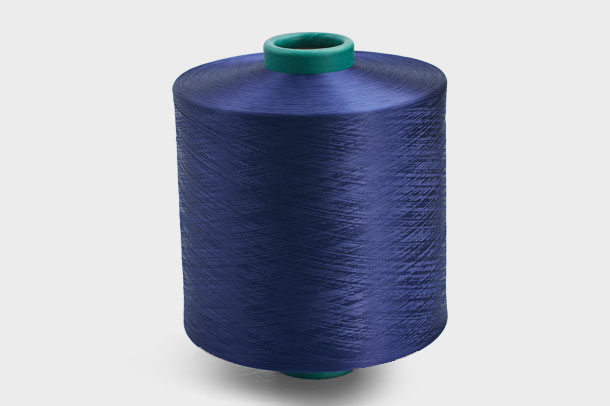
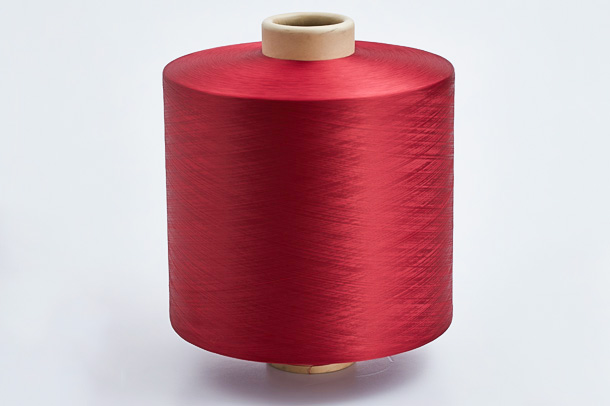
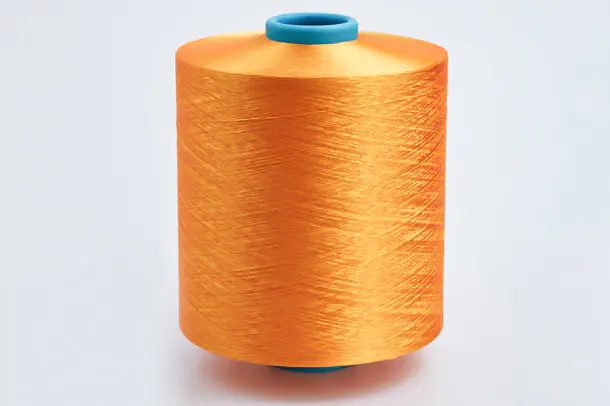
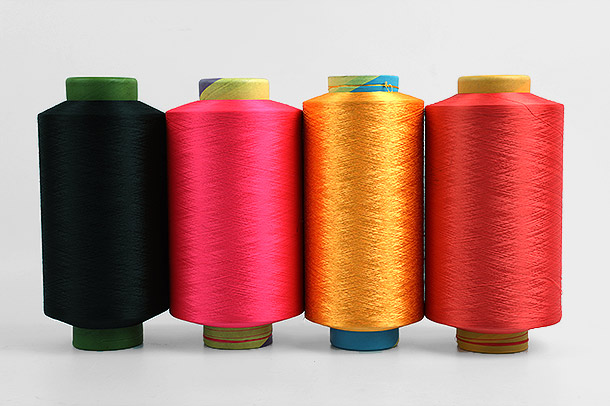
PRODUCT DETAILS
|
ITEM |
SPEC |
SD |
TBR |
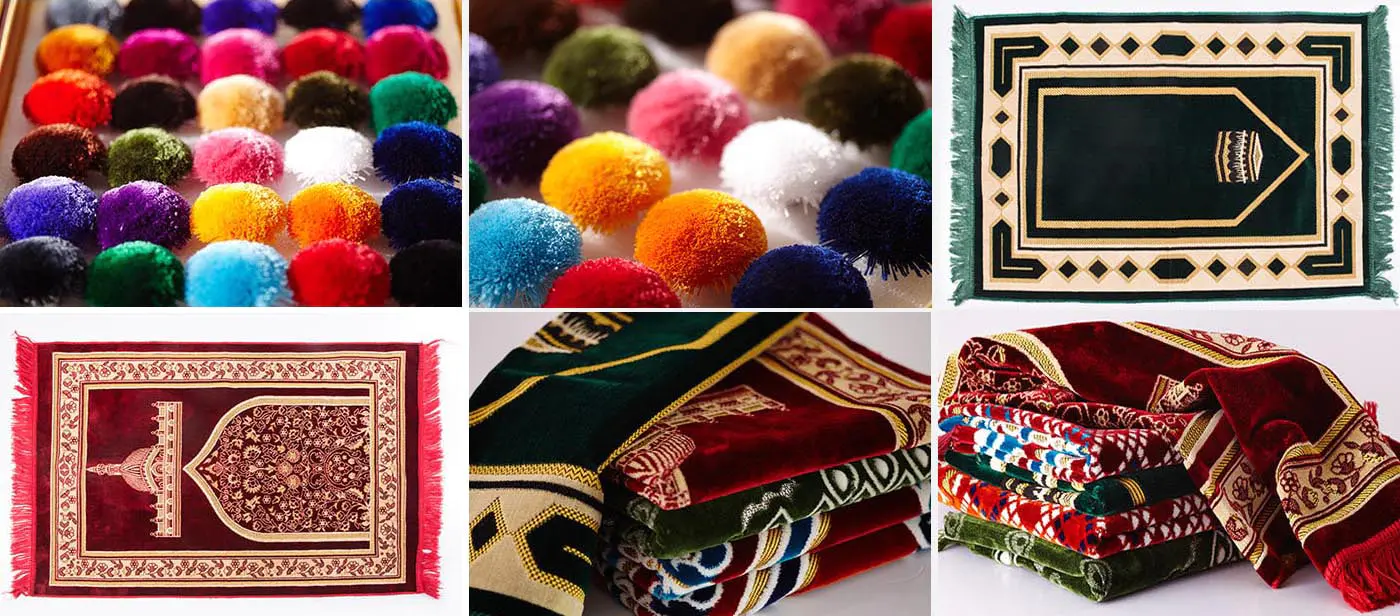
| PRAY RUG YARN | DTY150D/48F | · | · |
| DTY300D/96F | · | · | |
| DTY450D/144F/192F/288F | · | · |
| Property | BCF Polyester | BCF Nylon (PA6 / PA66) | Wool |
|---|---|---|---|
| Abrasion Resistance | Good | Excellent | Moderate |
| Pile Resilience | Moderate | High | High (natural crimp) |
| Stain Resistance | High (low moisture absorption) | Moderate (treatable) | Low (high moisture absorption) |
| UV / Fade Resistance | High (esp. solution-dyed) | Moderate | Low to moderate |
| Colorfast Performance | High | High | Moderate |
| Raw Material Cost | Low | High | High (variable) |
| Sustainability Options | rPET available (GRS) | Recycled nylon available | Natural, biodegradable |
| Typical Application | Residential, mid-range commercial | High-traffic commercial | Luxury residential, heritage |
Residential cut-pile carpet (saxony and frieze styles) is most commonly produced using BCF polyester in the range of 1,200D to 2,000D, tufted on 1/8-inch or 5/32-inch gauge tufting machines. The specific denier selection depends on the target pile weight (typically 1,000–1,500 g/m² for residential grades) and tuft density. For softer, higher-end residential carpet, finer filament count yarns (higher filament count at the same total denier, producing lower DPF) are specified to reduce individual filament stiffness and improve surface tactile quality.
Non-heat-set BCF yarn retains residual twist energy after twisting, which causes the pile tips to gradually untwist and bloom under foot traffic — a process called "pile texture change" that reduces the visual definition of cut-pile carpet over time. Heat-set BCF yarn has been autoclaved after twisting to permanently lock the twist geometry into the polyester polymer structure. Heat-set carpet yarn maintains pile tip definition significantly longer in service, and is the standard specification for any residential or commercial cut-pile carpet where long-term appearance retention is required.
Conventional piece-dyed or yarn-dyed polyester carpet achieves color through disperse dye absorbed into the fiber surface and interior during a high-temperature dyeing process. This dye is susceptible to degradation by UV radiation over time, leading to color fading in high-sunlight exposure environments. Solution-dyed BCF polyester incorporates the colorant directly into the polymer melt during extrusion, distributing color throughout the filament cross-section rather than relying on surface dye absorption. This produces UV lightfastness ratings (ISO 105-B02) significantly higher than conventionally dyed yarn, making it the standard specification for outdoor rugs, hotel corridors, and airport carpet where sustained UV exposure or aggressive cleaning protocols are factors.
Polyester carpet yarn from tufted carpet can in principle be recycled through mechanical or chemical recycling pathways. In practice, end-of-life carpet recycling is limited by the difficulty of separating the polyester pile fiber from the backing system (typically latex-bonded polypropylene primary and secondary backing). Carpet take-back and recycling programs operate in several markets — notably through carpet manufacturers and third-party recyclers — where the pile fiber is separated and converted into rPET for use in new carpet yarn or other polyester products. Specifying rPET BCF yarn for new carpet production supports the demand side of this material loop.
Ridging and striping in tufted carpet are produced by pile weight variation across the carpet width, which in turn traces to creel tension variation, denier inconsistency between yarn packages, or needle and looper bar deflection on the tufting machine. At the yarn level, lot-to-lot denier variation above CV 2.5% and bulk percentage variation between packages are primary contributors to stripe visibility. Ensuring tight denier and bulk specifications across yarn lots, and verifying creel tension uniformity before production, are the primary controls for stripe defect prevention in tufted carpet manufacturing.
For outdoor area rugs where polyester is specified as an alternative to polypropylene, solution-dyed BCF polyester in the 600D–1,500D range is the standard yarn specification. Solution dyeing provides the UV resistance needed for exterior use, while BCF polyester's low moisture absorption supports fast drying after rain exposure. Flatweave or low-pile loop constructions are preferred for outdoor rugs as they facilitate drainage and reduce the pile matting associated with moisture retention in cut-pile constructions. rPET solution-dyed BCF is increasingly specified for outdoor rugs in sustainability-oriented retail and contract programs.
Related Products
FEEDBACK

Zhejiang Hengyuan Chemical Fiber Group Co.,Ltd. is a professional China carpet yarns manufacturers and rug yarns suppliers, Established in 2006 ,located in YaQianTown Xiaoshan Hangzhou – One of the Center of polyester yarn Industry in China.

Products
Contact info
Copyright © Zhejiang Hengyuan Chemical Fiber Group Co.,Ltd. All rights reserved