Add: NYaqian Road No128 Yaqian Town Xiaoshan Hangzhou Zhe Jiang China.
Tel: 0086-0571-82602080
Fax: 0086-0571- 82758132
E-mail: [email protected]
Article Directory
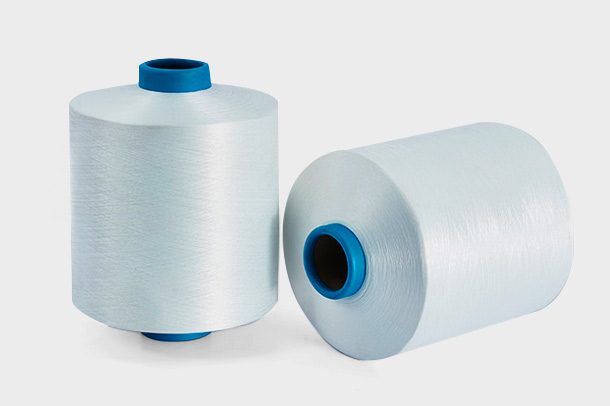
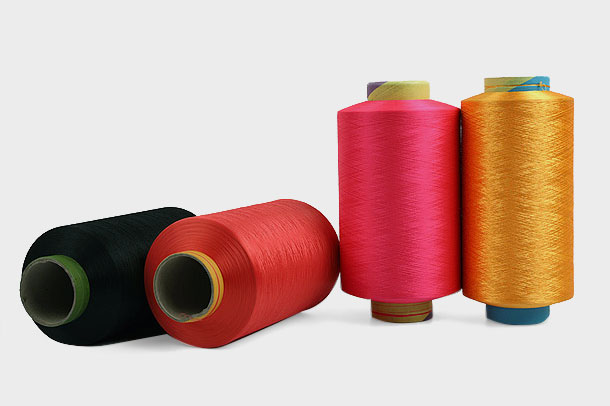
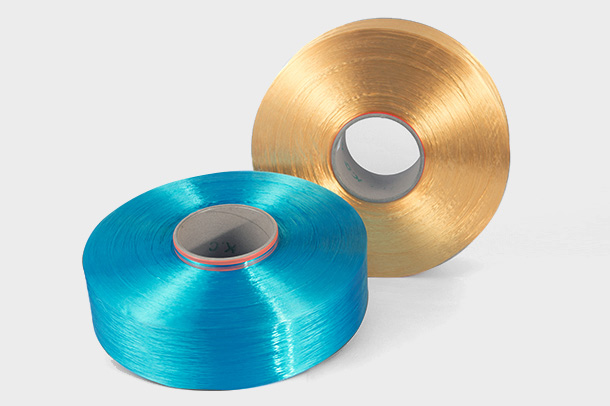
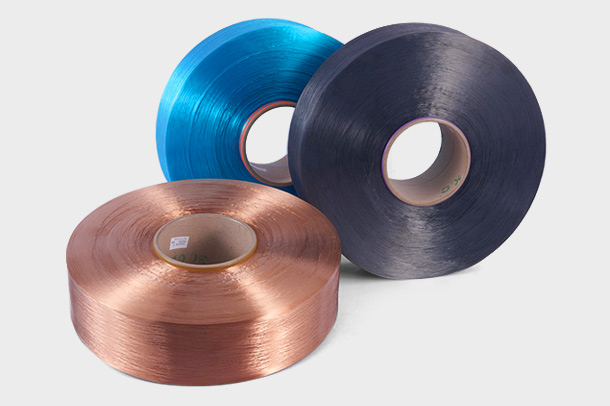
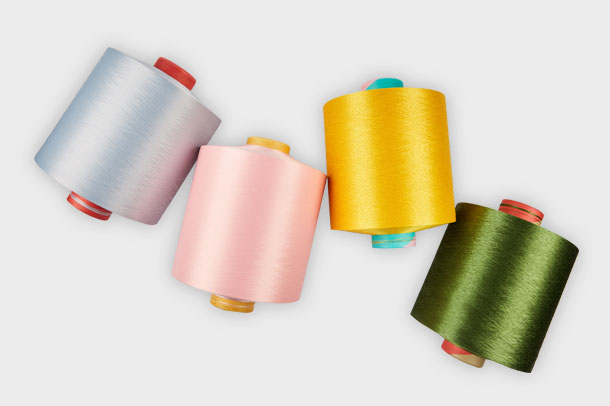
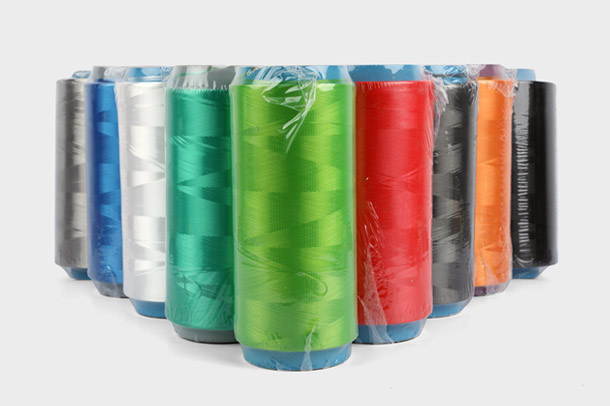
Zhejiang Hengyuan Chemical Fiber Group Co., Ltd., established in 2006, is located in YaQian Town, Xiaoshan, Hangzhou—a premier hub for the polyester yarn industry in China. Our facility covers 120,000 square meters with a total asset value of 150 million USD, supported by a specialized workforce of 1,000 staff. Through our branch companies, Winnertex Group Limited and Hangzhou Henghang Import & Export Co., Ltd., we operate under our group brand "Hengyun." We maintain an annual capacity of 150,000 tons of polyester yarn and 50 million meters of various fabrics. We specialize in the production of white blanket yarn including FDY, POY, and DTY ranging from 30D to 600D. As an award-winning "Top 100 Industry Company in Xiaoshan," our focus on stable quality and environmental trust ensures that our raw-white and dope-dyed materials meet the rigorous demands of the global upholstery and blanket sectors.
For high-volume procurement, the CIE Lab values of white blanket yarn serve as the primary mathematical benchmark for color consistency. Wholesale buyers must verify the L* (lightness), a* (red/green axis), and b* (yellow/blue axis) parameters to ensure that "raw-white" does not inadvertently shift toward a yellowish tint. Achieving a consistent whiteness index in polyester yarn requires strict control over the titanium dioxide (TiO2) concentration during the polymerization or spinning process. To minimize batch-to-batch color variance in blanket yarn, a Delta E (dE) value of less than 1.0 is typically required. Using a spectrophotometer under a D65 standard light source for yarn inspection allows technicians to detect metamerism, ensuring the polyester DTY for blankets maintains its visual profile regardless of the retail environment's lighting conditions.
The perceived color of white blanket yarn is heavily influenced by the cross-sectional shape of the filaments. Trilobal or circular cross-sections alter the light reflectance of white polyester yarn, which can cause perceived color shifts even if the chemical dye remains identical. When sourcing wholesale white blanket yarn for upholstery, buyers should specify the denier per filament (DPF) and the draw ratio. Variations in yarn shrinkage rates and color absorption can lead to "streaking" in the final fabric if the molecular orientation is not uniform. At Hengyun, our FDY and DTY production lines utilize advanced monitoring to ensure the tenacity and elongation of blanket yarn remain within a 2 percent tolerance, providing the mechanical stability needed for high-speed knitting without compromising the surface luster of white textiles.
A critical factor in long-term color stability is the phenolic yellowing resistance of white yarn. During storage and transport, white blanket yarn can react with atmospheric nitrogen oxides or BHT (butylated hydroxytoluene) found in packaging materials. To prevent premature yellowing in white polyester yarn, we implement anti-phenolic treatments and ensure that our raw-white materials are free from residual spin finishes that oxidize over time. When comparing dope-dyed vs raw-white blanket yarn, dope-dyed variants offer superior colorfastness to light and sublimation. However, for 100 percent pure white applications, the purity of the recycled or virgin PET chips must be verified via ash content tests and viscosity measurements to ensure no heavy metal contaminants affect the optical brightness of the yarn.
| Technical Parameter | Industrial Standard | Hengyun Technical Specification |
| Whiteness Index (CIE) | > 80 | 85 - 92 |
| Delta E (Batch Deviation) | Less than 1.5 | Less than 0.8 |
| Tenacity (cN/dtex) | 3.2 - 3.8 | 3.6 - 4.2 |
| Boiling Water Shrinkage (%) | Less than 10% | 6% - 8% (Controlled) |
| Oil Content (%) | 1.0 - 2.0 | 1.2 - 1.5 |
Color consistency is inseparable from the physical uniformity of the yarn package. How yarn tension affects color perception is a common issue in blanket manufacturing; uneven winding tension creates different densities, which refract light differently. Our large-scale production of white blanket yarn utilizes automated tension control to ensure uniform package density across all 150,000 tons of annual output. For heavyweight blanket yarn wholesale, such as 300D or 600D DTY, the intermingling points must be consistent to prevent "thick and thin" spots that create shadows in the finished product. By adhering to the ISO 9001 quality management system and utilizing advanced texturing machinery, Hengyun ensures that every spindle of high-tenacity white polyester provides the reliability required for the most demanding "Green Environmental and Trust" standards in China.
Q1: What light source should be used for final color approval of white yarn?
A1: We recommend using D65 (Artificial Daylight) as the primary source, but also checking under TL84 (Store Light) to ensure there is no significant metamerism or color shifting.
Q2: How does DPF (Denier Per Filament) affect the "whiteness" of the blanket?
A2: Lower DPF (microfibers) creates more surface area, which diffuses light more and makes the fabric appear softer and slightly "matter" white. Higher DPF filaments reflect light more directly, appearing brighter or more "silky."
Q3: Can "raw-white" yarn be dyed into pastel colors later?
A3: Yes, our raw-white polyester yarn is engineered with high dye-affinity, allowing for excellent exhaustion rates in secondary dyeing processes for light or pastel shades.
Q4: Why does some white yarn turn yellow after being stored in plastic bags?
A4: This is often caused by a reaction between the BHT in the plastic and nitrogen oxides in the air. We use BHT-free packaging and specialized finishes to mitigate this phenolic yellowing.
Q5: What is the benefit of FDY over DTY for blanket manufacturing?
A5: FDY (Fully Drawn Yarn) provides higher luster and a smoother finish, often used for the binding or decorative elements, while DTY (Draw Textured Yarn) provides the bulk and "fuzzy" texture required for the blanket body.

Zhejiang Hengyuan Chemical Fiber Group Co.,Ltd. is a professional China polyester filament yarns manufacturers and polyester color yarn suppliers, Established in 2006 ,located in YaQianTown Xiaoshan Hangzhou – One of the Center of polyester yarn Industry in China.

Products
Contact info
Copyright © Zhejiang Hengyuan Chemical Fiber Group Co.,Ltd. All rights reserved