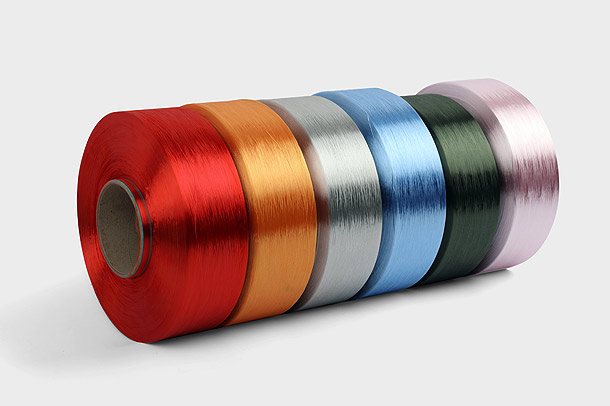
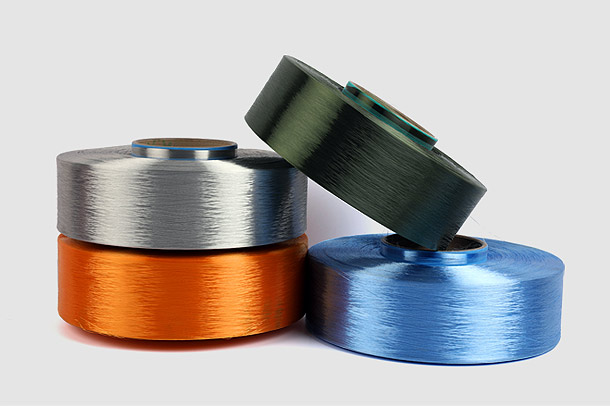
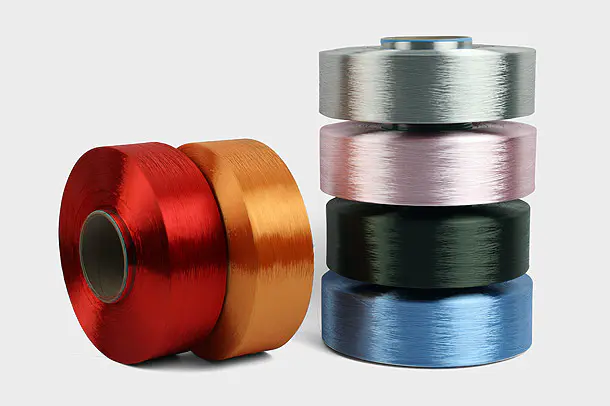
Polyester FDY Yarns Manufacturers

POY Yarn Series FDY Yarn Series DTY Yarn Series Blanket Yarn Series Polyester Carpet and Rug Yarn Ultra high molecular weight polyethylene Yarn Series Functional Yarn Series

polyester FDY yarns

PRODUCT DETAILS

  • Parameters
  • Color Card
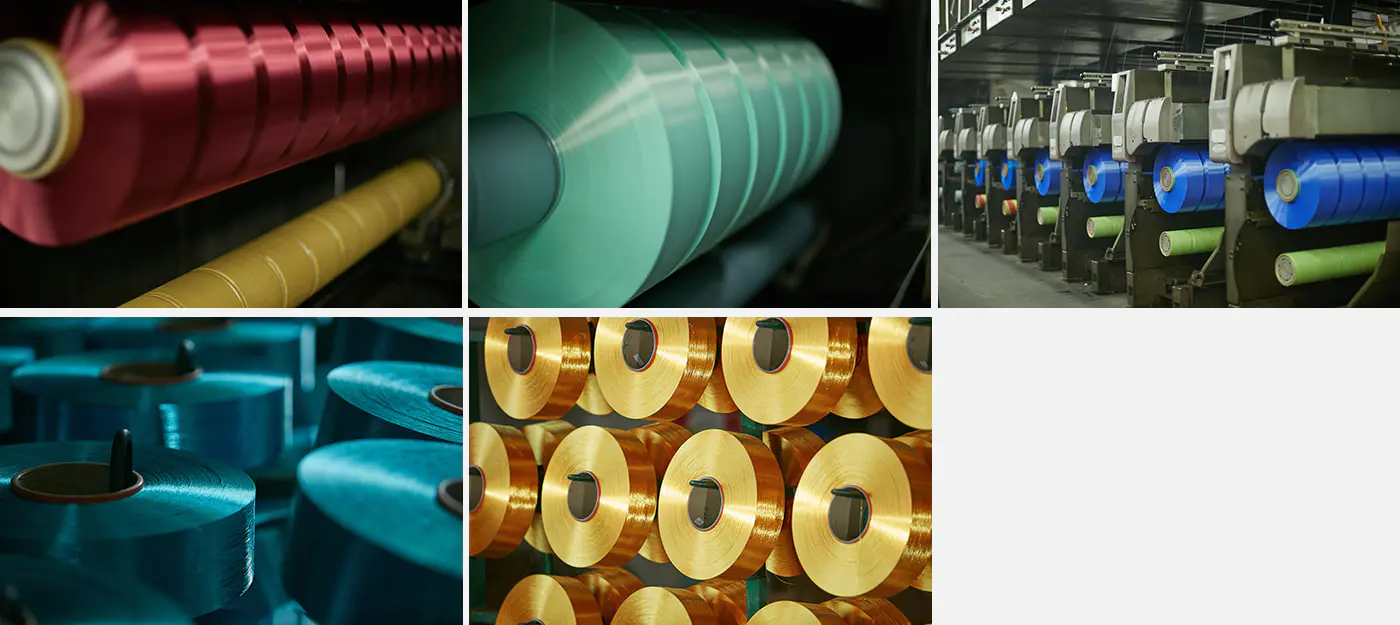
  • Quipment
  • Application
ITEM SPEC SEMI-DULL BRIGHT
FDY 30D/12F/24F
50D/12F/24F/48F
75D/36F/72F
90D/36F/48F
100D/36F/48F/72F/96F
120D/36F/48F/96F
150D/36F/48F/72F/96F/144F/288F
200D/48F/72F/96F/144F
250D/72F/96F/122F/144F
300D/72F/96F/144F
450D/144F/192F/216F
600D/144F/192F
POY & DTY 15D/12F
30D/12F/24F
50D/12F/36F/48F
75D/36F/48F/72F/144F
100D/36F/72F/144F
120D/36F/72F/144F
150D/36F/48F/72F/96F/144F/192F/288F
200D/72F/96F/144F
250D/72F/96F/144F
300D/72F/96F/144F/192F
450D/144F/192F/216F/288F/432F
600D/144F/192F
DTY 600D/900D/1200D/1500D/1800D

Core Advantages

  • Full Molecular Orientation: The spin-draw process produces complete chain orientation along the fiber axis, delivering stable tenacity and dimensional consistency without requiring downstream drawing.
  • Direct-Use Processability: FDY can be fed directly into weaving, warp-knitting, or circular knitting machines without intermediate processing, reducing lead time and conversion cost in fabric production.
  • Low and Uniform Elongation: Elongation at break is significantly lower than POY and tightly controlled, enabling stable fabric construction with predictable shrinkage behavior during finishing.
  • Smooth Surface and Low Friction: The drawn and well-lubricated filament surface supports consistent yarn-to-guide and yarn-to-yarn friction, reducing breakage rates at high machine speeds.
  • Broad Luster and Denier Range: Available in bright, semi-dull, and full-dull variants across a wide denier and filament count range, covering fabric requirements from sheer lightweight to structured heavy constructions.
  • Recycled Grade Availability: rFDY produced from certified recycled PET supports traceability requirements for sustainable product lines and eco-certification programs.

Product Specifications & Technical Parameters

Key Technical Parameters

Parameter Typical Range Unit
Denier Range 20 – 600 D
Filament Count 12 – 288 f
Tenacity 3.5 – 4.5 g/d
Elongation at Break 25 – 40 %
Boil-Off Shrinkage ≤ 1.5 %
Oil Pick-Up (OPU) 0.4 – 0.8 %
Uster CV% ≤ 1.0 %
Moisture Regain 0.4 %
Winding Speed 4,500 – 6,000 m/min

Available Variants

  • Bright (BRT): High optical clarity with minimal titanium dioxide content; produces fabrics with a pronounced sheen, commonly used in lining, lingerie, and decorative fabrics.
  • Semi-Dull (SD): Standard luster grade with moderate TiO₂ content; the most widely used variant across apparel, home textile, and general fabric applications.
  • Full Dull (FD): High TiO₂ content for a flat, matte appearance; used in fabrics requiring low light reflectance or a cotton-like visual texture.
  • Cationic Dyeable FDY: Modified copolymer formulation allowing uptake of cationic dyes; enables two-tone or heather effects when combined with standard polyester in the same fabric construction.
  • Trilobal / Modified Cross-Section FDY: Non-round filament cross-section producing moisture-wicking, enhanced light scattering, or silk-like surface effects.
  • Recycled FDY (rFDY): Produced from post-consumer rPET with GRS certification support; suitable for sustainable apparel, outdoor, and performance textile supply chains.
  • High Tenacity FDY (HT-FDY): Produced at elevated draw ratios for applications requiring enhanced tensile strength, such as woven technical fabrics and narrow fabrics.

Processing Guidelines & Handling Notes

Storage Conditions

  • Store packages in a clean, dry environment at 15–30°C and relative humidity between 50–70% to maintain OPU stability and prevent filament static issues during processing.
  • Avoid direct sunlight and UV exposure; prolonged UV exposure can initiate photodegradation of the PET polymer, reducing tenacity in storage.
  • Packages should remain sealed in original carton or bag packaging until use to prevent dust contamination and OPU evaporation.
  • Implement FIFO stock rotation to prevent extended storage aging, which can alter OPU distribution and surface friction characteristics.

Quality Inspection Points on Receipt

  • Package Appearance: Check for ribbon winding, saddle edges, or collapsed packages, which indicate winding defects that will cause tension spikes during unwinding.
  • Tenacity and Elongation: Confirm that tenacity and EAB values fall within the agreed specification range using standard yarn tensile testing before releasing to production.
  • Uster Evenness: Uster CV% above specification indicates spinning irregularity that will manifest as fabric barre or streaks after knitting or weaving.
  • OPU Verification: OPU outside the specified range affects machine friction behavior; low OPU causes static and yarn breakage, while excess OPU leads to fabric greasy handle and dyeing resistance.
  • Luster Verification: For bright/semi-dull/full-dull segregated production, verify luster grade visually and with gloss meter measurement to prevent mixed-grade contamination in fabric rolls.

Comparison: FDY vs POY vs DTY

Property FDY POY DTY
Molecular Orientation Full Partial Full (post-texturing)
Elongation at Break 25–40% 110–160% 20–35%
Tenacity 3.5–4.5 g/d 2.0–2.8 g/d 3.0–4.0 g/d
Surface Character Smooth, flat Smooth (intermediate) Crimped, textured, bulky
Direct Fabric Use Yes No (requires conversion) Yes
Primary Application Weaving, warp-knitting DTY / FDY feed yarn Circular knitting, cut-and-sew
Fabric Handle Smooth, crisp N/A (not for direct use) Soft, elastic, voluminous

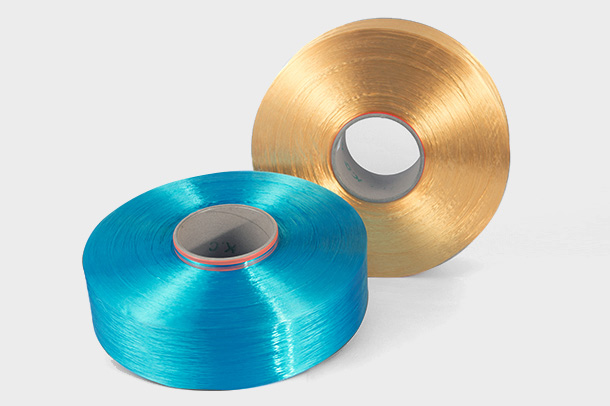
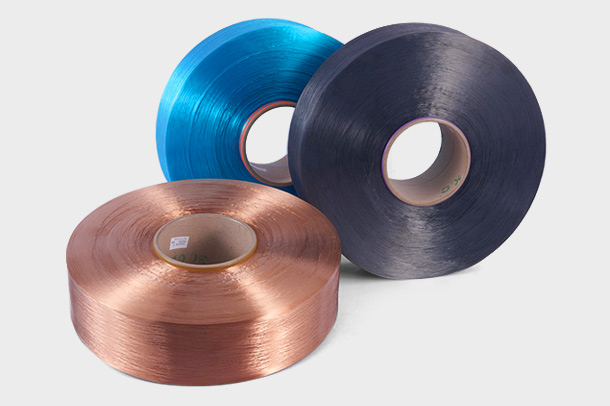
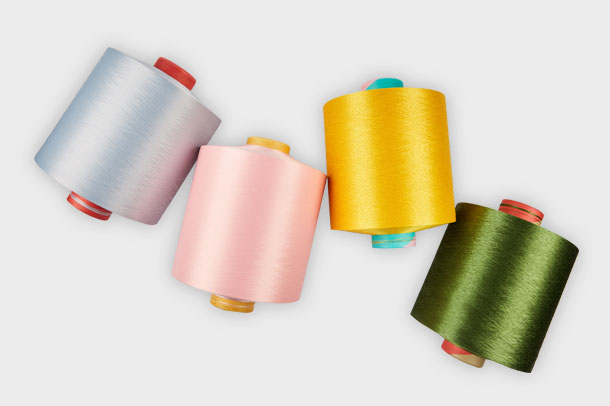
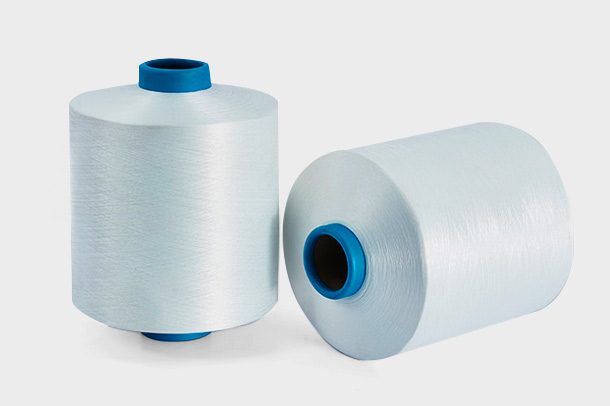
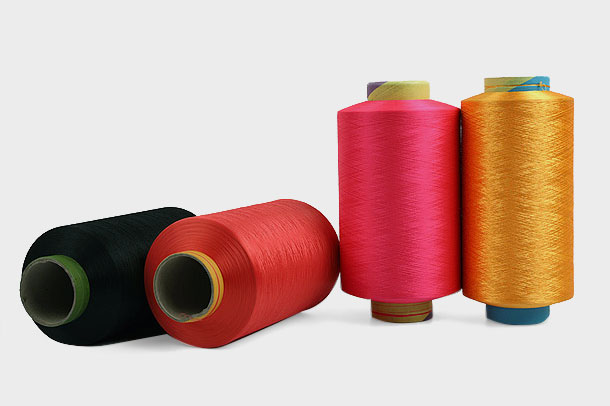
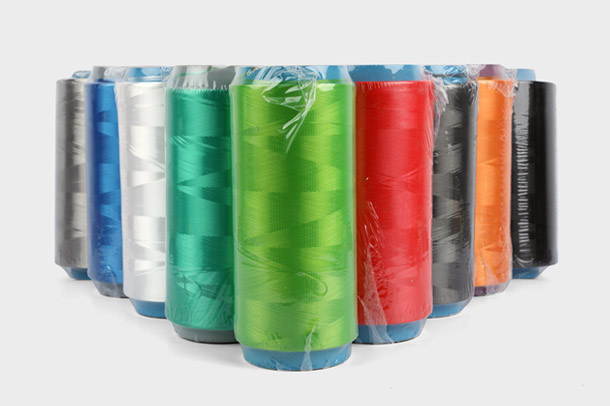
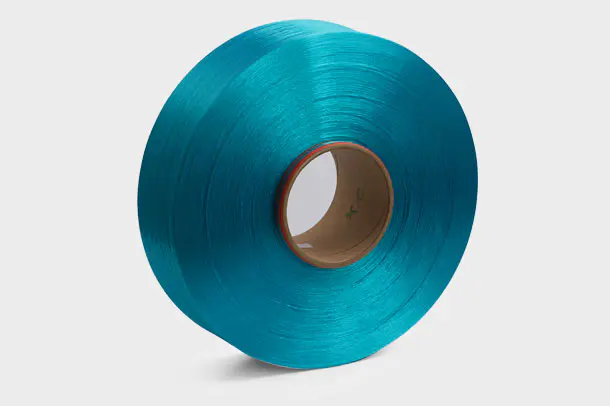
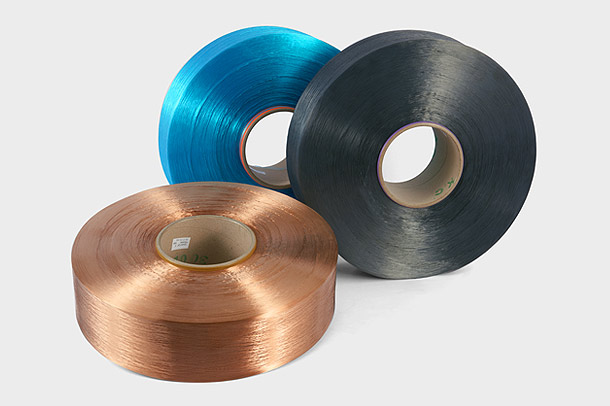
FDY: FULL name: the FULL DRAW YARN. Using synthetic fiber filament spin-draw system further. Fiber has been fully stretching, can be directly used for textile processing.

Purpose: polyester FDY fabrics feel smooth and soft, are widely used in weaving circular and home textile.

SPEC:30D-600D

In order to guarantee the quality of products, we actively introduce advanced technology and equipment at home and abroad, ongoing technological transformation and innovation, improve the level of production. Up to now, the group has owned the production equipment which were introduced from the developed countries such as Germany and domestic well-known companies ,and owned a complete set of production line matched with the equipment , leading to annual output of 120,000 tons of spinning and draw texturing . The group has imported the ISO9000 quality certification system and established a mature system of quality management. Excellent quality always comes from sophisticated equipment and excellent management. More than 80% of the key production equipment in the group are introduced from Germany and domestic famous enterprises, reaching the international first-class equipment level.
Frequently Asked Questions

What is the difference between FDY and DTY, and how do I choose between them?

FDY is a flat, smooth continuous filament yarn suitable for structured woven fabrics, lining, and warp-knitted constructions where crispness and dimensional stability are required. DTY is a textured, crimped yarn that produces soft, elastic, and voluminous knitted fabrics. The selection depends on the target fabric structure: flat-woven and high-density fabrics typically use FDY, while stretch knits and soft apparel fabrics use DTY.

Can FDY be used as warp yarn in high-speed air-jet looms?

Yes. FDY is commonly used as warp yarn in air-jet weaving. Its tenacity, low elongation, and smooth surface support the tension demands of high-speed warp systems. Fine filament count FDY (such as 75D/72f or 100D/144f) is preferred for lightweight woven fabrics where warp breakage sensitivity is higher, as the distributed filament cross-section spreads load across more individual filaments.

What causes pilling in fabrics made from polyester FDY?

Pilling in polyester FDY fabrics is primarily related to filament count and denier per filament (DPF). Finer filaments (lower DPF) have less bending stiffness and are more prone to entanglement and pill formation on the fabric surface. Constructions using semi-dull or full-dull FDY with higher DPF, tighter weave structures, or appropriate anti-pilling finishing treatments show reduced pilling tendency in end-use performance testing.

Is recycled FDY (rFDY) processable on standard weaving and knitting machinery?

rFDY produced from GRS-certified recycled PET chips is engineered to match the processing parameters of virgin FDY. Tenacity, elongation, OPU, and Uster CV% specifications for rFDY are held to the same tolerances as conventional grades, allowing direct substitution on existing weaving and warp-knitting equipment without machine setting changes in most cases.

What denier and filament count is recommended for warp-knitted lining fabric?

For standard apparel lining fabric produced on Tricot warp-knitting machines, 75D/72f or 100D/144f bright FDY are commonly specified. The higher filament count distributes the denier across more individual filaments, producing a finer, smoother fabric surface. For heavier lining constructions, 150D/96f semi-dull FDY provides additional cover and opacity while maintaining acceptable machine runability.

How does boil-off shrinkage in FDY affect finished fabric dimensions?

Boil-off shrinkage in FDY reflects the residual thermal contraction potential in the yarn structure. Higher shrinkage values lead to greater fabric width and length reduction during wet processing and heat-setting. FDY with boil-off shrinkage controlled to ≤1.5% provides stable fabric dimensions through standard finishing processes, reducing width loss and enabling accurate pre-production fabric yield calculations.
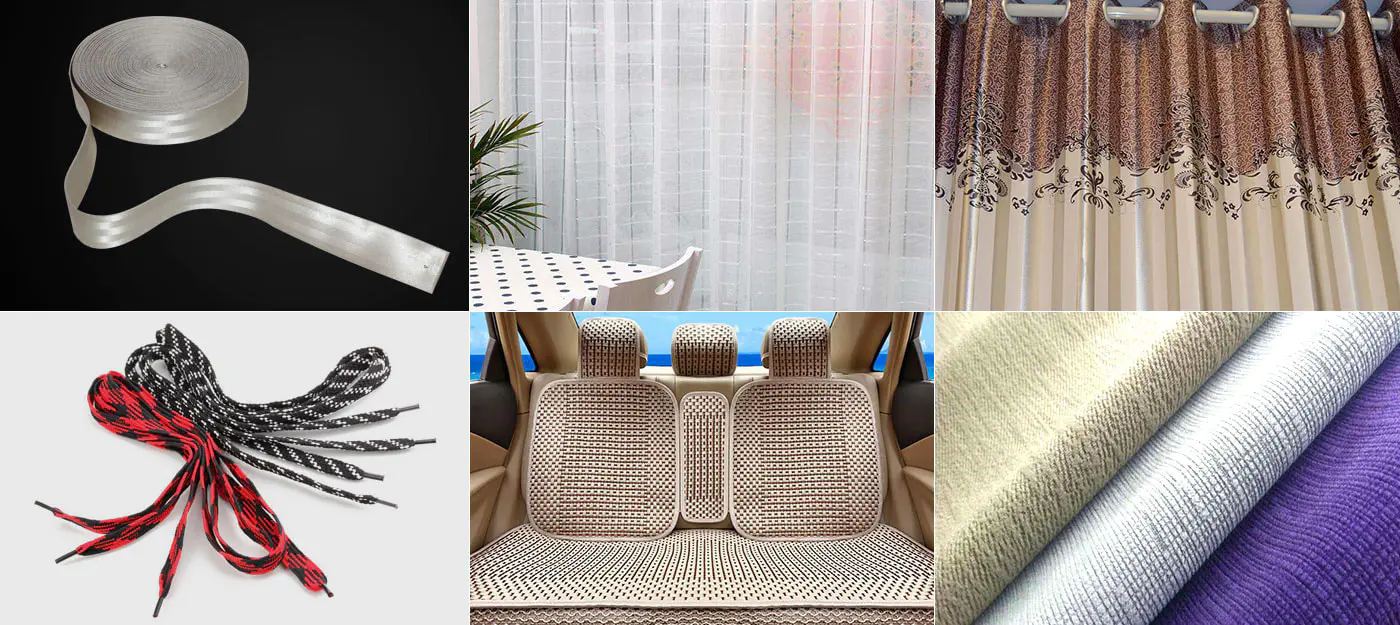
Application Scenarios

Warp Knitting

FDY is one of the primary feed yarns for warp-knitting machines (Raschel and Tricot), where its low elongation and consistent unwinding tension enable stable loop formation at speeds of 2,000–3,500 courses per minute. Applications include sportswear fabrics, lingerie lace bases, lining fabrics, and technical mesh structures.

Weaving

In shuttle-less weaving (air-jet, rapier, and water-jet looms), FDY is used as both warp and weft yarn. Its tenacity and dimensional stability under loom tension make it suitable for taffeta, satin, chiffon, georgette, and high-density fabric constructions. The low boil-off shrinkage of FDY supports dimensional accuracy in finished woven fabrics.

Circular Knitting

FDY is used in circular knitting for jersey, interlock, and fine-gauge single-knit constructions. Its smooth surface and consistent linear density reduce needle wear and yarn breakage at high-speed knitting operations.

Embroidery Thread and Specialty Yarn

Bright and semi-dull FDY in fine denier counts (20D–75D) is commonly twisted or plied into embroidery threads and sewing threads, where luster, tensile strength, and linear uniformity are critical performance parameters.

Home Textiles

  • Curtain and Drapery Fabrics: Semi-dull and full-dull FDY in medium to heavy deniers for structured drape and light-blocking constructions.
  • Upholstery Fabrics: High tenacity FDY variants for abrasion-resistant woven upholstery.
  • Bedding and Lining Fabrics: Bright FDY in microdenier counts for smooth, high thread-count weaves.

Technical and Industrial Textiles

  • Filtration fabrics using uniform filament FDY for controlled pore size in woven filter media.
  • Geotextile woven structures requiring tensile and dimensional stability.
  • Narrow fabrics and webbing products using high tenacity FDY grades.

Related Products

POY Yarn Series
POY Yarn Series
FDY Yarn Series
FDY Yarn Series
DTY Yarn Series
DTY Yarn Series
Blanket Yarn Series
Blanket Yarn Series
Polyester Carpet and Rug Yarn
Ultra high molecular weight polyethylene Yarn Series

FEEDBACK