Add: NYaqian Road No128 Yaqian Town Xiaoshan Hangzhou Zhe Jiang China.
Tel: 0086-0571-82602080
Fax: 0086-0571- 82758132
E-mail: [email protected]
Article Directory
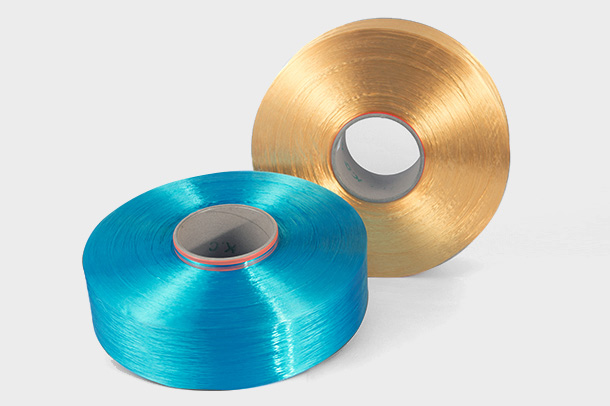
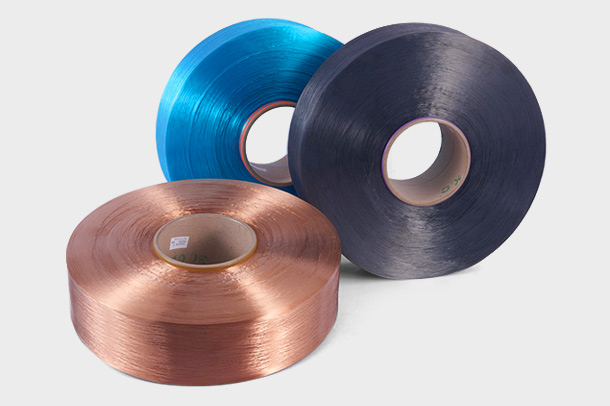
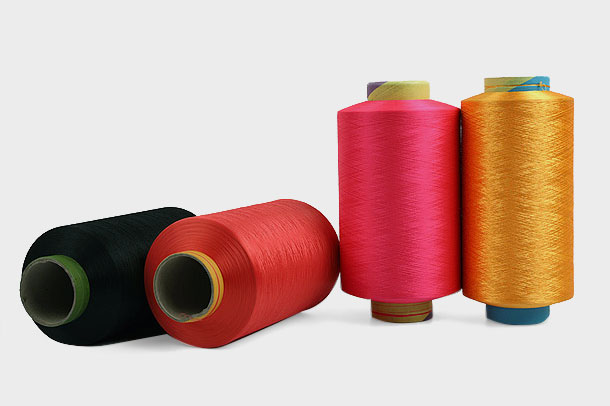
poy yarn, or Partially Oriented Yarn, is the primary form of yarn produced by the high-speed spinning of polyester chips. It serves as the essential precursor for Textured Yarn (DTY), offering a semi-crystalline structure that provides the necessary stretch and strength for textile manufacturing. It is a highly versatile material characterized by its "partially oriented" molecular chain, which allows for further drawing and setting during downstream processing.
In the industrial textile sector, "does yarn have polyester" is a common query with a definitive answer: polyester is the most prevalent synthetic polymer used in global yarn production due to its durability and moisture resistance. While poy yarn is almost exclusively polyester-based, other synthetics like polypropylene are often compared for safety and utility.
Polypropylene yarn is widely considered safe for consumer use and medical applications. It is chemically inert, meaning it does not react with human sweat or common detergents. Furthermore, it is hydrophobic and does not support the growth of bacteria, making it a "safe" and hygienic choice for sportswear and upholstery. Similarly, polyester POY is non-toxic and hypoallergenic, adhering to global standards such as OEKO-TEX for skin-contact safety.
When evaluating yarn for specific industrial or consumer applications, the "ply" refers to the number of individual strands twisted together. Yarn ply matters significantly because it dictates the tensile strength, durability, and "grist" (thickness) of the final textile product.
| Ply Level | Technical Characteristics | Common Applications |
| Single Ply | High softness, low torque stability | Base material for DTY or lightweight knits |
| 2-Ply | Balanced twist, increased durability | Standard apparel, socks, and medium-weight fabrics |
| Multi-Ply (3+) | High tensile strength, abrasion resistance | Industrial sewing threads and heavy-duty upholstery |
A technical concern for manufacturers and hobbyists alike is whether polyester yarn can be blocked. Unlike natural fibers like wool, which can be "wet blocked" using water and pins, 100% polyester poy yarn and its derivatives are thermoplastic. This means they are resistant to water-based blocking.
To change the shape or "set" polyester, heat must be applied. This process, known as "steam blocking" or "heat setting," involves raising the fiber temperature close to its glass transition point (approximately 70°C to 80°C). Once cooled in the desired shape, the polyester molecules lock into the new configuration, providing permanent dimensional stability that water alone cannot achieve.
The quality of POY is measured through several key physical parameters that determine its suitability for high-speed texturizing machines. Industrial buyers typically focus on the following data points:
Synthetic yarns like polyester POY offer distinct advantages over natural fibers regarding maintenance and environmental resistance.
| Property | Polyester POY | Polypropylene |
| UV Resistance | High; ideal for outdoor use | Low (requires UV stabilizers) |
| Melting Point | ~250°C to 260°C | ~160°C to 170°C |
| Moisture Regain | 0.4% (Very Low) | 0.0% (Zero) |
| Chemical Resistance | Resistant to most acids/alkalis | Excellent resistance to acids/alkalis |

Zhejiang Hengyuan Chemical Fiber Group Co.,Ltd. is a professional China polyester filament yarns manufacturers and polyester color yarn suppliers, Established in 2006 ,located in YaQianTown Xiaoshan Hangzhou – One of the Center of polyester yarn Industry in China.

Products
Contact info
Copyright © Zhejiang Hengyuan Chemical Fiber Group Co.,Ltd. All rights reserved