Add: NYaqian Road No128 Yaqian Town Xiaoshan Hangzhou Zhe Jiang China.
Tel: 0086-0571-82602080
Fax: 0086-0571- 82758132
E-mail: [email protected]
Article Directory
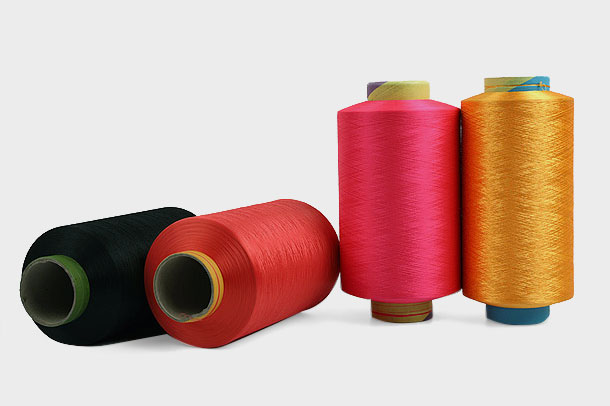
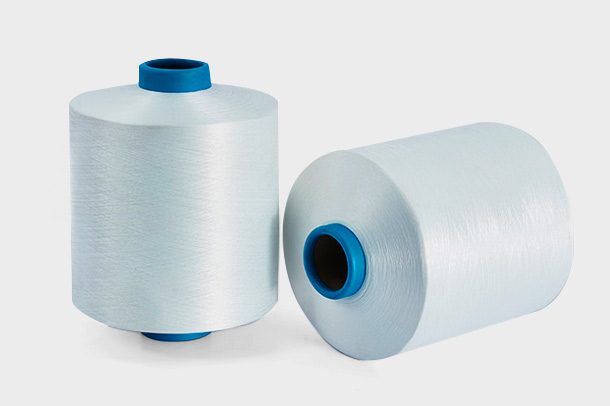
In the global textile supply chain, polyester yarn dty (Drawn Textured Yarn) stands as a versatile pillar, known for its elasticity, bulkiness, and wool-like feel. However, for textile engineers and fabric manufacturers, the selection process goes beyond mere denier and filament counts. A critical technical specification is the degree of intermingling—categorized as NIM, SIM, and HIM. Zhejiang Hengyuan Chemical Fiber Group Co., Ltd., established in 2006 and located in the heart of China's polyester industry in Xiaoshan, specializes in the R&D of high-quality polyester yarn dty. With an annual capacity of 150,000 tons and advanced facilities covering 120,000 square meters, our group brand "Hengyun" delivers precision-engineered yarns from 30D to 600D. Understanding how intermingling levels affect polyester dty is essential for optimizing the production of upholstery cloth, blankets, and high-performance garments.
Intermingling is a process where compressed air is used to create periodic "tangles" or "nodes" along the yarn length to hold the filaments together. NIM vs SIM vs HIM in polyester yarn dty refers to the frequency and strength of these nodes. NIM (Non-Intermingled) has almost no nodes, resulting in a very loose filament structure. SIM (Slightly Intermingled) features fewer nodes, typically 40-50 per meter, providing a balance of softness and stability. HIM (High Intermingled) features a high frequency of knots, often 100-120 per meter, which makes the yarn very compact. When comparing NIM vs SIM vs HIM dty characteristics, the primary difference lies in the yarn's "cohesion," which dictates its behavior during high-speed weaving and knitting.
| Yarn Type | Nodes Per Meter (approx.) | Filament Cohesion | Surface Texture |
| NIM (Non-Intermingled) | 0 - 10 | Very Low | Extremely Soft / Loose |
| SIM (Slightly Intermingled) | 40 - 60 | Moderate | Semi-Smooth |
| HIM (High Intermingled) | 100 - 120+ | Very High | Compact / Rugged |
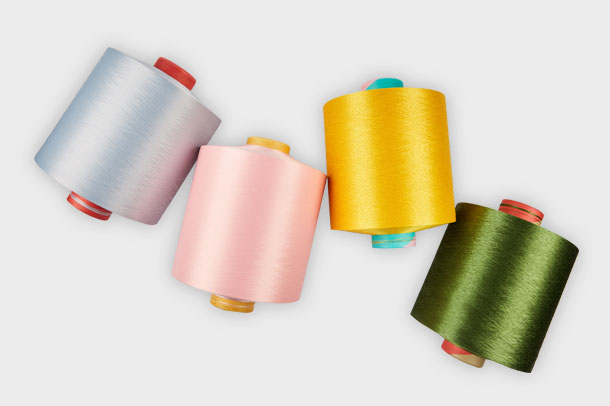
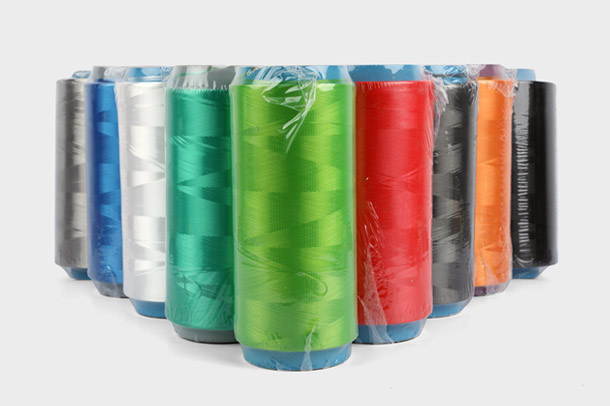
The choice of intermingling level directly influences the final "hand-feel" and visual uniformity of the textile. For instance, the benefits of HIM polyester dty for weaving include a significant reduction in friction-induced "snow" or filament shedding on the loom, which ensures a defect-free surface for heavy-duty upholstery. Conversely, choosing NIM dty for soft touch fabrics is the standard for products like blankets or premium inner linings where a voluminous, airy texture is required. For mid-range applications, using SIM polyester dty for knitting provides enough stability to prevent snagging without the stiffness associated with HIM. At Zhejiang Hengyuan, our dope dyed polyester yarn dty colors are available in all three intermingling levels to ensure color consistency across various fabric textures.
From an engineering perspective, the polyester yarn dty manufacturing process must account for the trade-off between yarn softness and processing speed. HIM yarns allow for the highest speeds on water-jet looms because the knots prevent the individual filaments from separating under tension. While HIM vs SIM dty for water jet looms is a common debate, HIM is almost always selected for high-speed warp preparation. However, the impact of intermingling on dty yarn dyeing must also be considered; very high node density can sometimes result in "specks" if the dye liquor does not penetrate the tight knots. Understanding how to identify nim sim and him dty through a "shrinkage and knot count test" allows manufacturers to maintain the constant and stable quality that the Winnertex and Henghang brands are known for globally.
| Performance Metric | NIM Yarn | HIM Yarn |
| Weaving Speed | Lower (Prone to breakage) | Highest (Very stable) |
| Dye Penetration | Excellent / Uniform | Requires high-pressure for uniformity |
| Fabric Bulkiness | Maximum Volume | Lower / Compact |
The distinction between NIM, SIM, and HIM is a fundamental aspect of polyester yarn dty engineering. By matching the intermingling level to the specific demands of the loom and the desired fabric hand-feel, manufacturers can achieve superior results. As a "High Tech of Hangzhou" and "Top 100 Industry Company," Zhejiang Hengyuan Chemical Fiber Group Co., Ltd. remains dedicated to providing high-performance intermingled polyester yarn solutions. Whether you require recycled polyester dty yarn for eco-friendly textiles or specialized 30D to 600D yarns for upholstery, our technical team is ready to ensure your fabric quality reaches the highest industry standards.
HIM (High Intermingled) is generally best for upholstery. It provides the necessary polyester dty yarn strength for upholstery to endure the high-tension weaving process and offers better abrasion resistance in the final product.
The price difference is usually minimal, though HIM may have a slight premium due to the additional compressed air and monitoring required during the polyester yarn dty manufacturing process.
Engineers typically use a "knot-meter" or perform a manual "taper test" where the yarn is pulled through fingers to feel the frequency of the bumps (nodes). NIM will feel smooth, while HIM will feel like a fine serrated string.
It is not recommended. NIM lacks the cohesion needed for the water-jet to carry the yarn across the shed effectively, often leading to filament "ballooning" and machine stops.
The color itself remains consistent, but the "visual luster" may change. HIM yarns tend to look slightly more matte because the knots break up the light reflection, whereas NIM yarns can appear shinier.

Zhejiang Hengyuan Chemical Fiber Group Co.,Ltd. is a professional China polyester filament yarns manufacturers and polyester color yarn suppliers, Established in 2006 ,located in YaQianTown Xiaoshan Hangzhou – One of the Center of polyester yarn Industry in China.

Products
Contact info
Copyright © Zhejiang Hengyuan Chemical Fiber Group Co.,Ltd. All rights reserved