Add: NYaqian Road No128 Yaqian Town Xiaoshan Hangzhou Zhe Jiang China.
Tel: 0086-0571-82602080
Fax: 0086-0571- 82758132
E-mail: [email protected]
Article Directory
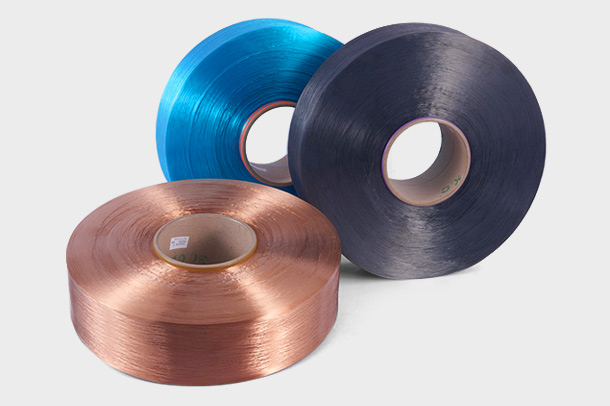
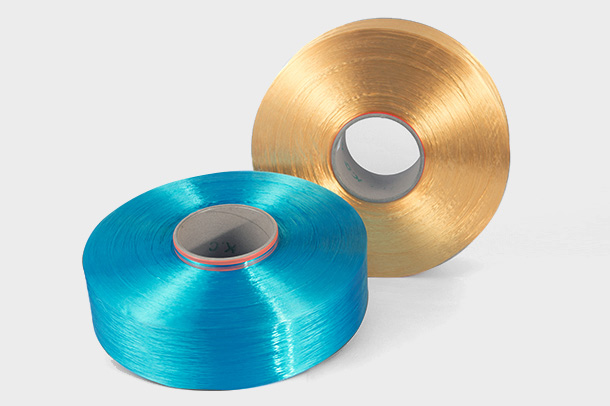
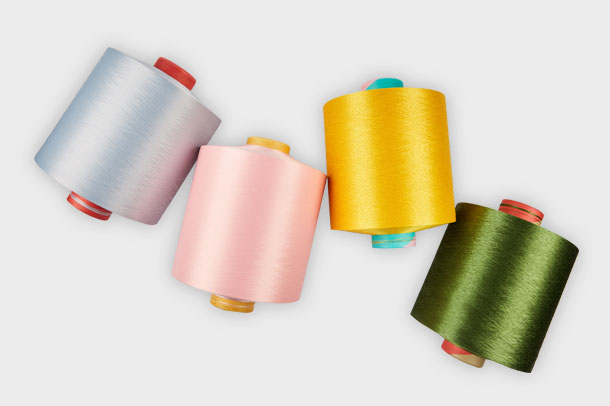
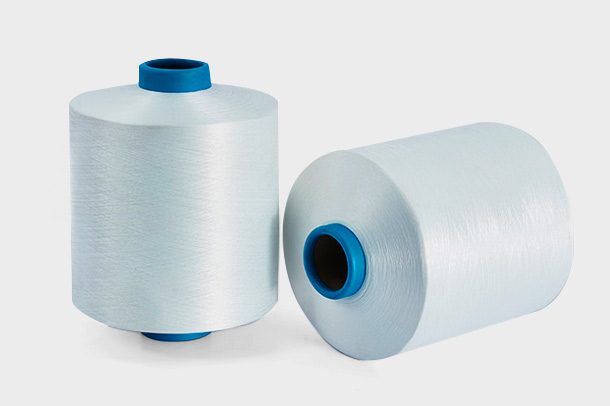
Ordering Fully Drawn Yarn by denier alone is how mills end up with a beautiful roll of fabric that won't hold its shape after finishing. FDY yarn selection has to account for filament count, strength and elongation, production method, and surface finish together — miss one variable and the fabric shows it in dye uptake, hand feel, or weaving efficiency.
Fully Drawn Yarn is a synthetic filament yarn fully stretched during spinning to reach high molecular orientation, which gives it higher strength, lower elongation, and a smoother surface than partially oriented yarn. It goes straight into weaving or knitting without an additional drawing step.
The right yarn characteristics shift significantly depending on where the fabric ends up.
Fine denier, soft finish, bright or semi-dull FDY for dresses, shirts, and lining fabrics that need drape and comfort.
Stable strength and good dyeing performance for curtains, bedding, and upholstery that must hold color and shape.
High tensile strength and abrasion resistance for reinforced fabrics, filter fabrics, and technical textiles.
Once the application is set, specification selection follows a consistent sequence.
Fine denier for lightweight drape, medium for balanced apparel and home textile use, high denier for industrial durability.
Low filament count gives a firmer, clearer yarn structure; high filament count gives softer touch and better coverage.
High-strength, low-elongation FDY suits structured and industrial fabrics needing dimensional stability.
Woven fabrics need high strength and tension stability; knitted fabrics need flexibility and smooth processing.
Bright, semi-dull, or full-dull finish is chosen based on the fabric's target appearance and end market.
Uniform dye absorption and yarn evenness protect against fabric defects during processing.
Typical Denier Range by Application
| Bright FDY | High gloss, shiny appearance | Decorative and fashion textiles |
| Semi-Dull FDY | Natural appearance, reduced shine | Everyday clothing and home textiles |
| Full-Dull FDY | Matte, soft visual effect | Premium and functional fabrics |
Strength vs Elongation Profile
Request dye-uptake and evenness test data before committing to bulk yarn orders — inconsistent yarn quality shows up as uneven dyeing only after the fabric is already woven or knitted.
FDY is fully stretched during spinning and can go straight into weaving or knitting, while POY requires an additional drawing process before use.
Fine denier FDY, typically in the finer range, gives the soft hand feel and drape needed for dresses and lightweight fashion fabrics.
Yes, higher filament count produces a softer touch and more delicate coverage, while lower filament count gives a firmer, clearer yarn structure.
Semi-dull FDY is generally preferred for everyday clothing because it offers a natural appearance with reduced shine compared to bright FDY.

Zhejiang Hengyuan Chemical Fiber Group Co.,Ltd. is a professional China polyester filament yarns manufacturers and polyester color yarn suppliers, Established in 2006 ,located in YaQianTown Xiaoshan Hangzhou – One of the Center of polyester yarn Industry in China.

Products
Contact info
Copyright © Zhejiang Hengyuan Chemical Fiber Group Co.,Ltd. All rights reserved