Add: NYaqian Road No128 Yaqian Town Xiaoshan Hangzhou Zhe Jiang China.
Tel: 0086-0571-82602080
Fax: 0086-0571- 82758132
E-mail: [email protected]
Article Directory
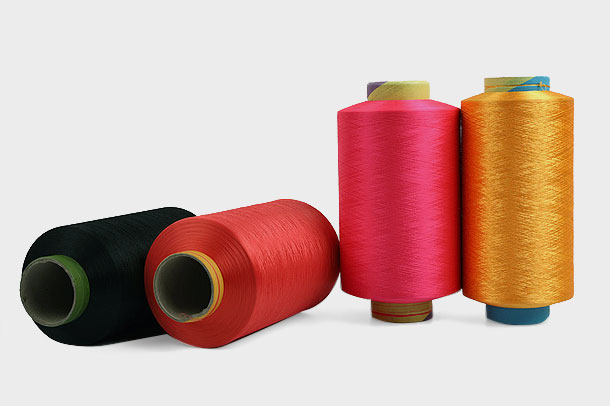
The textile industry is shifting toward production methods that use fewer virgin resources and generate less waste. Recycled Fully Drawn Yarn has become an important solution for manufacturers who want the performance of standard polyester filament yarn along with a meaningfully lower environmental footprint. Produced from recycled polyester rather than virgin raw material, it lets brands reduce dependence on petroleum-based resources while maintaining the strength and stability textile production depends on. Learn more here about how this fits into a broader sustainable sourcing strategy.
PET / Textile Waste
Common Recycled Sources
Fully Oriented
Drawn for Molecular Stability
Similar Performance
To Virgin Polyester FDY
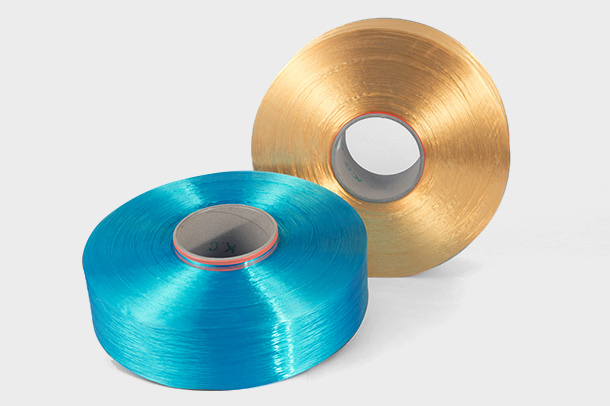
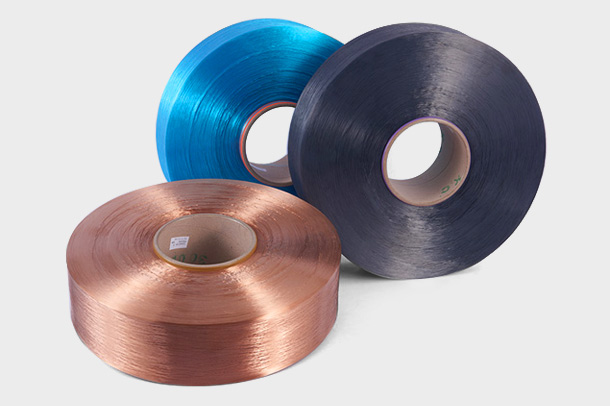
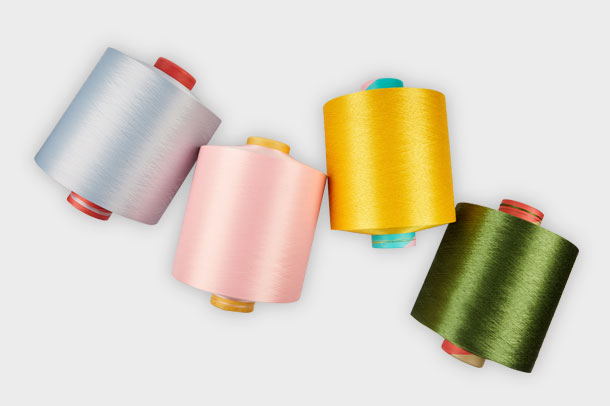
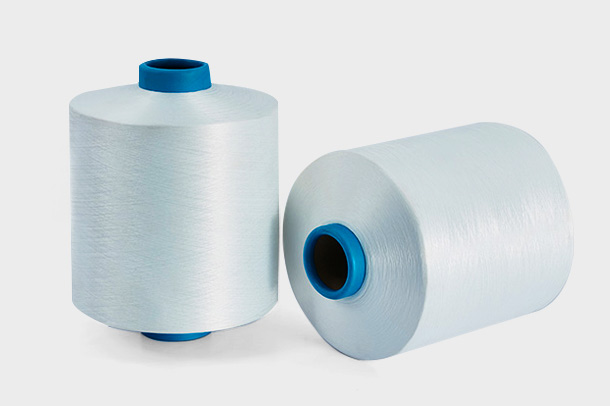
Recycled Fully Drawn Yarn is a polyester filament yarn produced from recycled polyester materials, then spun, drawn, and finished to achieve fully oriented yarn properties. Common raw material sources include used PET bottles, recycled polyester textile waste, and industrial polyester waste.
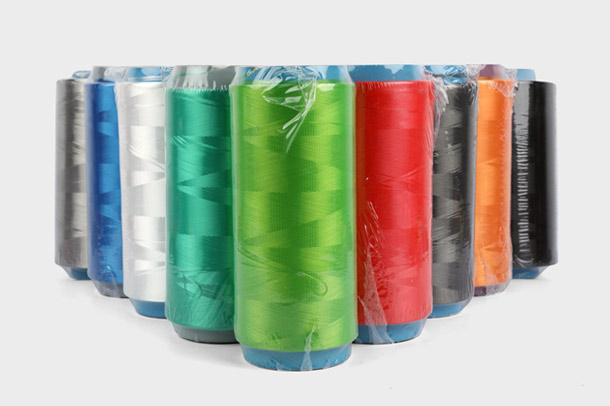
Recycled FDY yarn retains many properties of conventional polyester FDY, including high tensile strength, good dimensional stability, a smooth surface appearance, and consistent yarn structure suitable for varied processing needs.
Collection and Sorting
Waste PET bottles, polyester fabric waste, and industrial textile scraps are collected and sorted to remove non-polyester materials, contaminants, and impurities.
Cleaning and Material Processing
Sorted materials are washed, cleaned, and crushed into clean recycled polyester flakes ready for further production.
Melting and Polymer Preparation
Recycled material is melted into polymer, with melt viscosity and material consistency controlled to ensure stable yarn performance.
Spinning and Drawing
Melt is extruded through spinnerets, cooled into filaments, and drawn to achieve molecular orientation, higher strength, and better dimensional stability.
Heat Setting and Winding
Heat setting, surface treatment, winding, and quality inspection finish the yarn to meet textile production requirements.
Recycled FDY yarn reduces virgin polyester consumption, fossil resource demand, and raw material extraction across the supply chain.
It provides a valuable application for polyester waste, reducing landfill volume, supporting circular material use, and extending the lifecycle of polyester products.
Compared with virgin polyester production, recycled processes can reduce energy consumption, carbon emissions, and overall resource usage.
Estimated Resource Reduction vs Virgin Polyester Production
Indicative reduction ranges reported for recycled polyester production versus virgin polyester manufacturing.
Recycled FDY yarn does not ask manufacturers to trade performance for sustainability. Advanced processing keeps strength and stability close to virgin-material yarn.
Advanced recycling technology allows recycled FDY yarn to achieve good tensile strength and stable, long-lasting structure suitable for apparel, home textiles, and technical textiles.
High-quality recycled FDY yarn offers a uniform filament structure and stable processing performance, helping manufacturers maintain production efficiency.
The yarn works across woven fabrics, knitted fabrics, decorative textiles, and functional textiles without requiring separate processing lines.
Recycled FDY vs Virgin FDY Performance Profile
Virgin FDY (grey) holds a slight edge on strength and elongation; recycled FDY (pink) leads clearly on sustainability.
Sustainable Apparel
Shirts, jackets, sportswear, and fashion fabrics benefit from sustainable sourcing, good durability, and stable appearance.
Home Textile Products
Curtains, bedding, and upholstery fabrics gain long service life, consistent quality, and environmental advantages.
Functional and Industrial Textiles
Outdoor fabrics and industrial textiles rely on the strength, durability, and reliable processing recycled FDY yarn provides.
| Feature | Recycled FDY Yarn | Conventional FDY Yarn |
| Raw Material | Recycled polyester | Virgin polyester |
| Sustainability | Higher | Lower |
| Resource Consumption | Reduced | Higher |
| Performance | Similar with advanced processing | Stable |
| Applications | Apparel, home textiles, industrial textiles | Wide textile applications |
Both yarn types deliver reliable textile performance, but recycled FDY offers a clear additional environmental advantage.
Confirm whether the yarn uses post-consumer or post-industrial recycled material, and check relevant recycling certification requirements.
Yarn strength, evenness, elongation, and dyeing performance should be verified against the intended fabric application.
Weaving requirements, knitting requirements, and final product performance should guide the specific yarn grade selected.
Textile production is moving toward closed-loop, circular systems built around material recycling and waste reduction. Advanced recycling technologies continue improving recycled material quality, production efficiency, and yarn performance, while growing demand for environmentally responsible products keeps driving recycled polyester development and green manufacturing practices forward.
Advanced recycling and processing technology allow recycled FDY yarn to achieve performance close to virgin polyester FDY for most textile applications.
Common sources include used PET bottles, recycled polyester textile waste, and industrial polyester waste.
Yes, it is widely used in shirts, jackets, sportswear, and other fashion fabrics that require durability and stable appearance.
Buyers should verify the raw material source, recycling certification, and yarn performance metrics such as strength and dyeing behavior.

Zhejiang Hengyuan Chemical Fiber Group Co.,Ltd. is a professional China polyester filament yarns manufacturers and polyester color yarn suppliers, Established in 2006 ,located in YaQianTown Xiaoshan Hangzhou – One of the Center of polyester yarn Industry in China.

Products
Contact info
Copyright © Zhejiang Hengyuan Chemical Fiber Group Co.,Ltd. All rights reserved