Add: NYaqian Road No128 Yaqian Town Xiaoshan Hangzhou Zhe Jiang China.
Tel: 0086-0571-82602080
Fax: 0086-0571- 82758132
E-mail: [email protected]
Article Directory
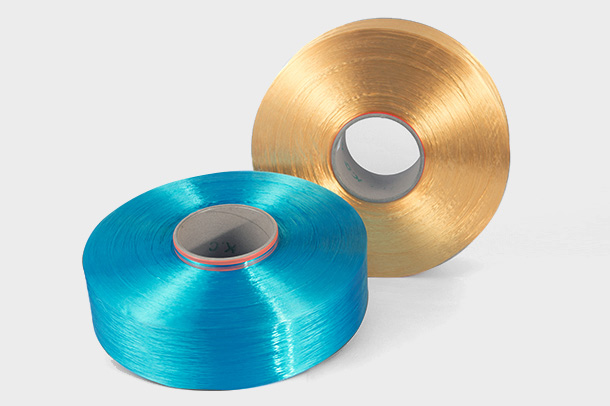
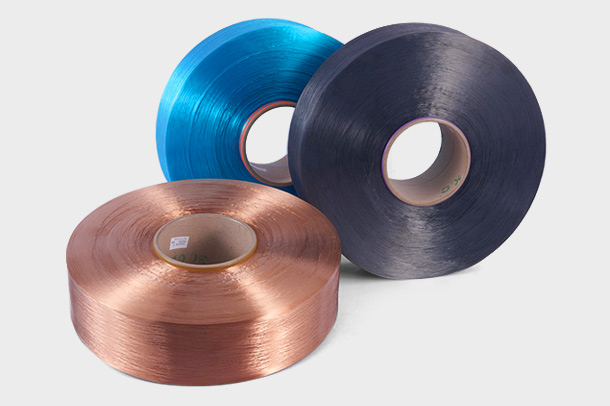
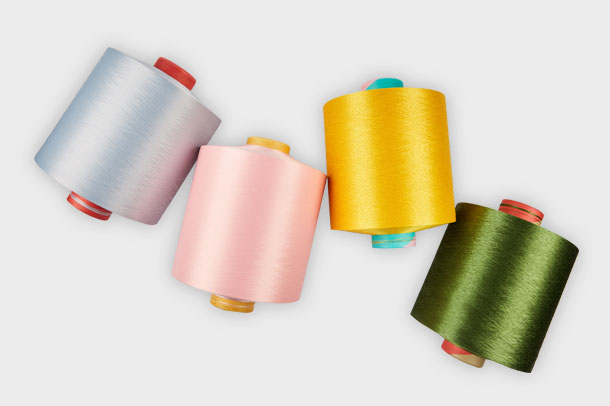
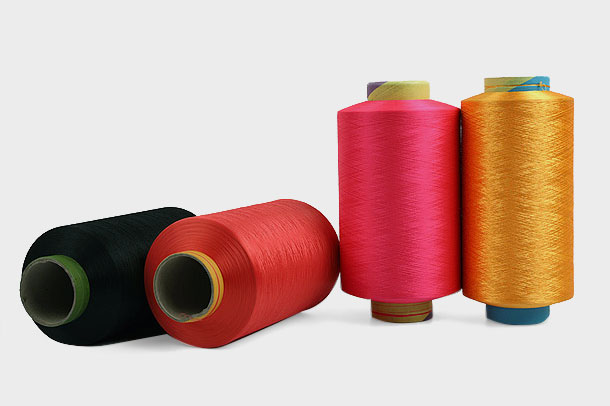
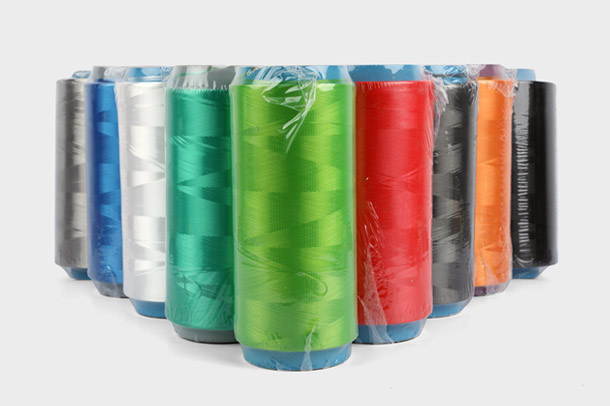
Textile mills that need predictable results at scale build their fabric programs around Fully Drawn Yarn, a fully stretched polyester filament yarn valued for its strength, dimensional stability, and smooth surface finish. From sportswear to home textiles, FDY yarn has become the raw material manufacturers reach for when consistency across every batch is non-negotiable.
Fully Drawn Yarn, commonly abbreviated as FDY yarn, is a type of fully stretched filament yarn produced through a combined spinning and drawing process. During production, the yarn is drawn to achieve higher molecular orientation, which directly improves its physical properties and makes it a reliable raw material for woven and knitted fabric production.
The drawing stage in particular is what separates FDY yarn from unstretched filament, improving yarn strength, dimensional stability, and surface smoothness in a single production step.
Textile manufacturers require yarn performance that does not vary batch to batch, and FDY yarn delivers exactly that kind of stable processing performance for high-quality fabrics at production scale. Its core value shows up in four places: improved production efficiency, stable fabric quality, better finished appearance, and reliable performance across large production runs.
Apparel Manufacturing
Sportswear, casual clothing, and fashion textiles benefit from FDY's smooth appearance, comfortable touch, and durability.
Home Textile Products
Curtains, bedding fabrics, and decorative textiles rely on FDY's stable structure and long service life.
Industrial Textiles
Technical fabrics and functional textile materials depend on FDY's strength and reliability under stress.
Consistent yarn thickness and fewer production defects are what separate premium filament yarn from commodity-grade material. FDY yarn supports improved fabric uniformity and better processing efficiency on the mill floor, helping manufacturers achieve smoother fabric surfaces, better finished appearance, and more stable product quality batch after batch.
Consistency is not a nice-to-have in textile production. It is the difference between a fabric program that scales and one that does not.
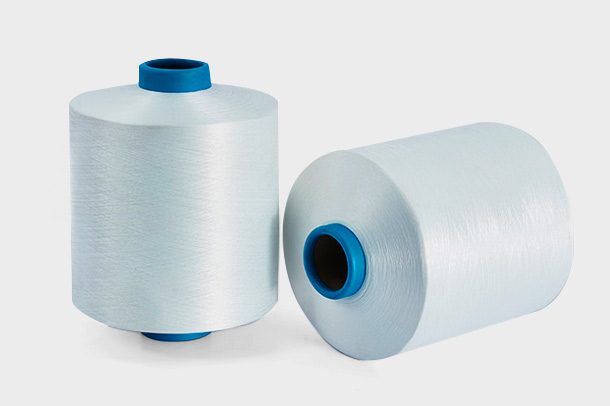
Fully Drawn Yarn is fully stretched during production, giving it a smooth filament structure, lower elongation, and strong suitability for woven fabrics. Draw Textured Yarn, or DTY, is processed differently to create a textured surface with better elasticity and a softer, bulkier feel.
| Factor | FDY Yarn | DTY Yarn |
| Structure | Smooth filament | Textured filament |
| Stretch | Lower | Higher |
| Appearance | Smooth and uniform | More textured |
| Applications | Woven fabrics | Knitted fabrics |
Sustainable textile materials are gaining ground across the industry, and FDY yarn production is following that shift through increasing use of recycled polyester materials and improved resource efficiency. Manufacturers are actively developing sustainable filament yarn solutions, with future direction pointing toward recycled FDY yarn, lower energy production methods, and more environmentally responsible textile manufacturing overall.
| Test Category | What It Covers |
| Physical Performance Testing | Tensile strength, elongation, and shrinkage |
| Appearance Inspection | Uniformity and surface defects |
| Production Consistency | Stable batch quality and reliable customer performance |
The next phase of Fully Drawn Yarn development is centered on sustainable polyester yarn, functional FDY variants engineered for specific performance needs, customized filament solutions, and higher performance textile materials overall as manufacturers push fabric capability further.
It is used as a raw material for woven and knitted fabrics across apparel, home textiles, and industrial textile applications.
FDY yarn has a smooth filament structure and lower elongation, while DTY yarn has a textured surface with greater elasticity.
Yes, its smooth, fully stretched filament structure makes it well suited to woven fabric applications.
Key advantages include high strength, a smooth surface, excellent dimensional stability, and good dyeing performance.
It is produced through polymer melting, spinning, filament formation, drawing and stretching, heat setting, and winding with quality inspection.
Consider yarn denier, filament count, strength requirements, and dyeing or processing needs for the intended fabric.

Zhejiang Hengyuan Chemical Fiber Group Co.,Ltd. is a professional China polyester filament yarns manufacturers and polyester color yarn suppliers, Established in 2006 ,located in YaQianTown Xiaoshan Hangzhou – One of the Center of polyester yarn Industry in China.

Products
Contact info
Copyright © Zhejiang Hengyuan Chemical Fiber Group Co.,Ltd. All rights reserved