Add: NYaqian Road No128 Yaqian Town Xiaoshan Hangzhou Zhe Jiang China.
Tel: 0086-0571-82602080
Fax: 0086-0571- 82758132
E-mail: [email protected]
Article Directory
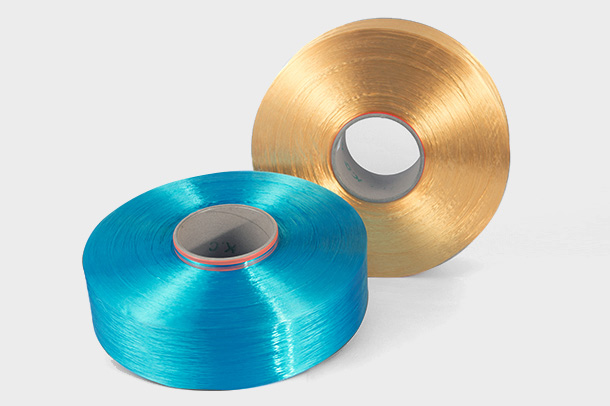
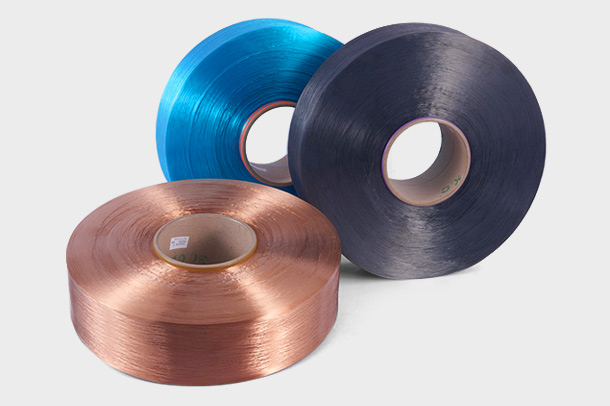
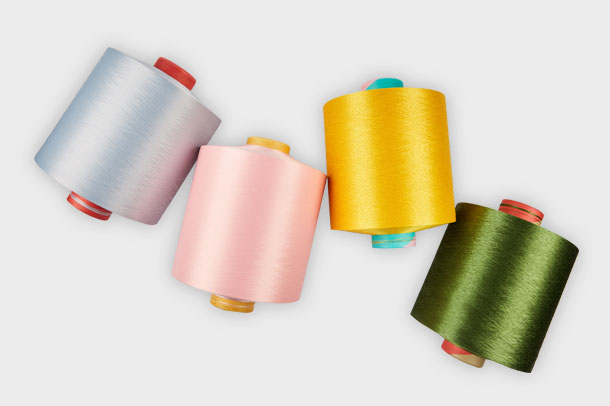
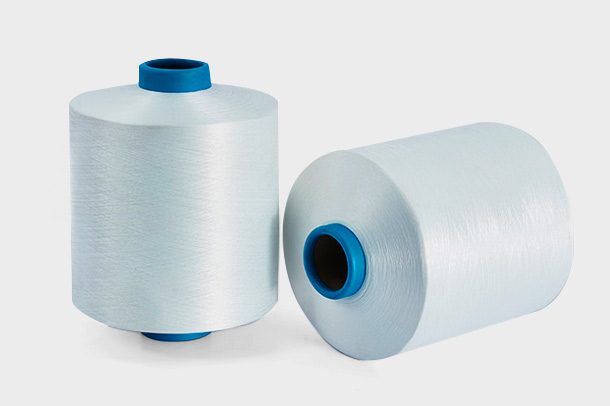
Fabric mills chasing consistent strength, a clean dye finish, and predictable machine performance keep landing on the same fiber choice: fully drawn yarn. Unlike partially processed filament, FDY arrives at the loom or knitting machine already stabilized, which is exactly why it dominates so much of modern polyester fabric production.
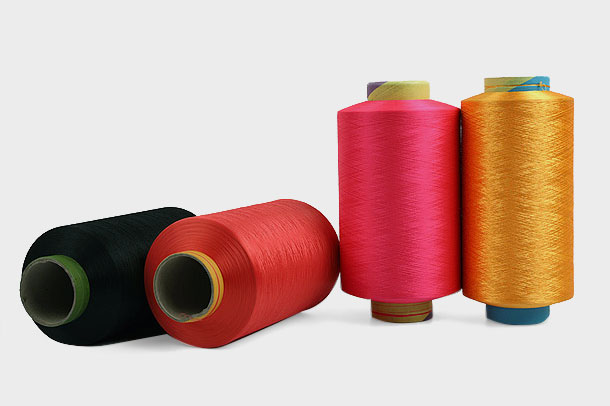
Fully drawn yarn, commonly called FDY yarn, is polyester filament yarn that has completed both spinning and drawing in a single continuous production line, giving it its final strength and dimensional stability before it ever reaches a fabric mill. That distinction, fully processed versus partially processed, is what separates FDY from its two close relatives.
Partially oriented yarn (POY) is an intermediate product still requiring a separate drawing step before use. Drawn textured yarn (DTY) takes that drawing further and adds texture through false-twist processing, producing a bulkier, stretchier yarn. Fully drawn yarn sits between the two in texture but ahead of POY in stability, arriving ready for weaving or knitting without additional processing.
Molten polyester polymer is extruded through spinnerets into continuous filaments, which are then drawn, stretched under controlled tension and heat, to align the internal polymer chains. This alignment is what gives the finished yarn its strength and low shrinkage, and it happens in-line rather than as a second, separate step.
In-line processing advantage: because spinning and drawing happen in one continuous line, FDY yarn reaches fabric mills with consistent tenacity and elongation from batch to batch, reducing the quality variation that separate-stage processing can introduce.
Five properties explain why mills specify fully drawn yarn for demanding fabric programs rather than defaulting to less stable alternatives.
High strength and dimensional stability: the drawing process aligns polymer chains so the yarn resists stretching and shrinking during dyeing, finishing, and end use.
Smooth, uniform filament structure: consistent filament diameter across the yarn length reduces breakage on high-speed weaving and knitting machines.
Even dyeing performance: uniform molecular orientation means dye uptake is consistent across the fabric, avoiding streaking or shade variation.
Wear resistance: the fully drawn structure holds up to repeated abrasion, extending the service life of the finished fabric.
Apparel producers rely on FDY for garments that need to hold shape wash after wash, while sportswear and functional textile makers value its consistency for moisture-management fabric constructions. Home textile applications such as curtain and upholstery fabric benefit from the yarn's dimensional stability under repeated light and temperature exposure, and industrial or technical textiles draw on its strength-to-weight ratio in higher-stress fabric constructions.
| Yarn Type | Processing Stage | Best Fit |
| POY | Partially oriented, requires further drawing | Feedstock for DTY or draw-warping |
| FDY | Fully spun and drawn, ready to use | Smooth, stable woven and knit fabrics |
| DTY | Fully drawn plus texturing | Stretch, bulk, and soft-hand fabrics |
Choosing the right denier and filament count upfront prevents costly rework later, since fabric hand feel and drape are set largely by these two specifications rather than by finishing adjustments.
Demand for FDY yarn is shifting toward recycled and lower-impact polyester feedstocks as mills respond to sustainability requirements from apparel brands. At the same time, functional yarn development, moisture management, UV resistance, and antimicrobial finishes, continues to expand what fully drawn yarn can deliver beyond baseline strength and stability.
Fully drawn yarn earns its position in fabric production by arriving pre-stabilized: strong, dimensionally consistent, and ready for high-speed weaving or knitting without an extra processing step. For mills producing apparel, sportswear, home textiles, or technical fabrics at scale, that consistency translates directly into fewer machine stoppages and more predictable fabric quality.

Zhejiang Hengyuan Chemical Fiber Group Co.,Ltd. is a professional China polyester filament yarns manufacturers and polyester color yarn suppliers, Established in 2006 ,located in YaQianTown Xiaoshan Hangzhou – One of the Center of polyester yarn Industry in China.

Products
Contact info
Copyright © Zhejiang Hengyuan Chemical Fiber Group Co.,Ltd. All rights reserved