Add: NYaqian Road No128 Yaqian Town Xiaoshan Hangzhou Zhe Jiang China.
Tel: 0086-0571-82602080
Fax: 0086-0571- 82758132
E-mail: [email protected]
Article Directory
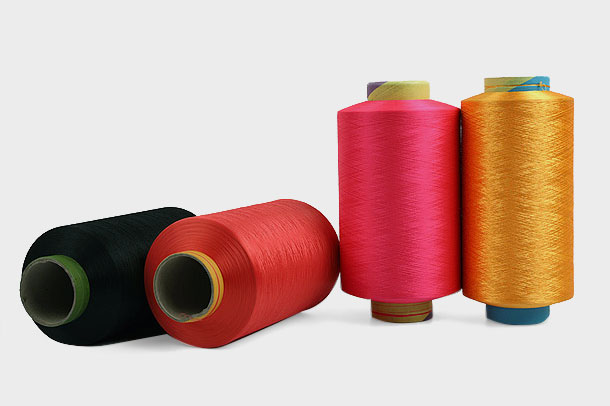
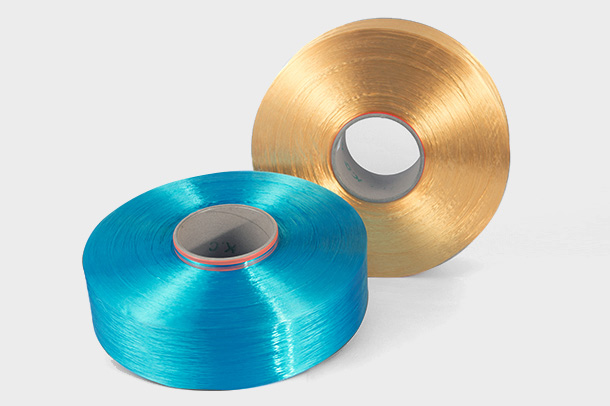
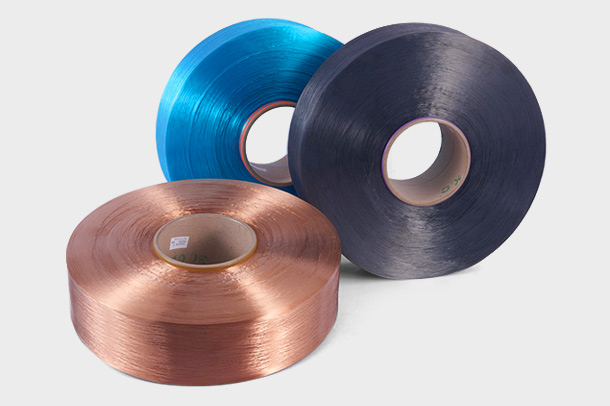
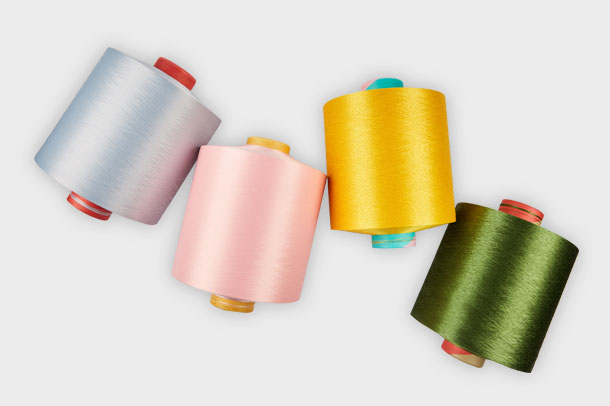
Industrial-grade polyester yarn exhibits excellent resistance to moisture, high thermal exposure, and structural wear due to its long-chain synthetic polymer structure. When evaluating its performance characteristics, the data shows that polyester yarn can get wet without absorbing water into its core, it can safely go in a standard household dryer under regulated temperature settings, and it can be mechanically or chemically recycled back into production-grade fibers. However, due to its hydrophobic, tightly packed crystalline structure, it cannot be colored using standard water-soluble household dyes. Instead, it requires specialized high-pressure disperse dyeing methods carried out at temperatures exceeding 266 degrees Fahrenheit (130 degrees Celsius) to successfully fix color molecules inside the synthetic filaments.
Unlike natural protein or cellulose fibers like wool and cotton, polyester is chemically hydrophobic. At a molecular level, the moisture regain rate of a polyester filament—defined as the amount of water water vapor a dry fiber absorbs from the air—is less than 0.4%. Cotton, by comparison, maintains a moisture regain rate of 7% to 8%.
When the yarn comes into direct contact with water, the moisture cannot penetrate the solid polymer strands. Instead, water molecules are held on the outer surface of the weave through capillary action. This surface-only interaction prevents the material from swelling, stretching, or losing its structural strength when wet, allowing the finished textile to retain its exact shape and dry significantly faster than natural alternatives.
Because it is a synthetic thermoplastic material, polyester responds consistently to thermal changes. It features a safe glass transition temperature of approximately 158 degrees Fahrenheit (70 degrees Celsius) and an ultimate structural melting point at 491 degrees Fahrenheit (255 degrees Celsius).
This thermal profile means finished items can safely go in a standard household dryer, provided you use low to medium heat settings. Drying garments at excessive temperatures can lock in wrinkles or cause static cling. Using a controlled, moderate tumble-dry cycle keeps the synthetic fibers supple, preserves their shape, and prevents shrinkage.
The table below compares the structural performance metrics of raw polyester filaments against other common textile fibers when exposed to environmental stress factors.
Standard water-soluble textile dyes, such as acid, basic, or direct reactive dyes, cannot bond with polyester because the material lacks ionic dye sites and repels water. Attempting to use ordinary commercial dyes will simply wash out of the synthetic strands completely.
To color the material effectively, industrial processors must use non-ionic disperse dyes. These microscopic, water-insoluble dye particles are suspended in a liquid bath and applied under specialized, high-temperature conditions.
Polyester is one of the most widely recycled materials in the modern textile industry. Because it is a thermoplastic polymer, it can be reprocessed multiple times without completely destroying its underlying molecular foundation. Industrial facilities process this material through two distinct recycling methods:
This process collects clean post-industrial fiber scraps and consumer plastic bottles (PET), shreds them into small flakes, melts them down, and extrudes the liquid through spinning nozzles to form new yarn. This mechanical path uses significantly less energy than creating virgin polyester from raw petroleum, lowering greenhouse gas emissions during production.
This advanced method uses chemical solutions to break down blended textile waste completely into its base monomers: terephthalic acid and ethylene glycol. These raw monomers are purified to remove all dyes and contaminants before being re-polymerized. This process yields a recycled fiber that matches the purity, strength, and performance profile of virgin petroleum-based materials.

Zhejiang Hengyuan Chemical Fiber Group Co.,Ltd. is a professional China polyester filament yarns manufacturers and polyester color yarn suppliers, Established in 2006 ,located in YaQianTown Xiaoshan Hangzhou – One of the Center of polyester yarn Industry in China.

Products
Contact info
Copyright © Zhejiang Hengyuan Chemical Fiber Group Co.,Ltd. All rights reserved