Add: NYaqian Road No128 Yaqian Town Xiaoshan Hangzhou Zhe Jiang China.
Tel: 0086-0571-82602080
Fax: 0086-0571- 82758132
E-mail: [email protected]
Article Directory
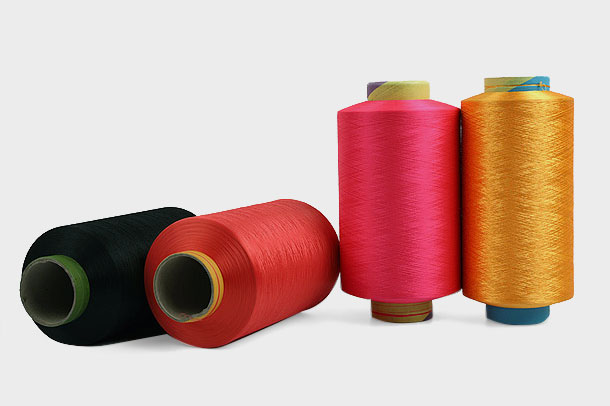
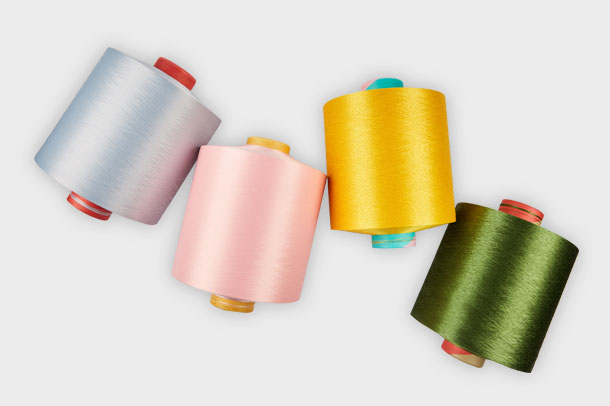
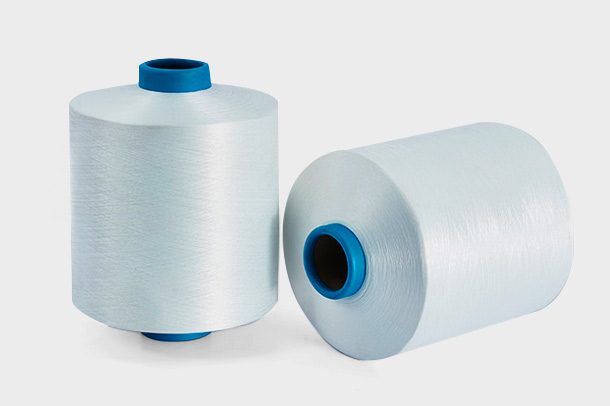
In the high-performance textile sector, the choice of raw materials determines the physiological comfort and mechanical durability of the final garment. Polyester yarn dty (Drawn Textured Yarn) has become the backbone of modern sportswear due to its excellent bulkiness, elasticity, and moisture-management properties. Zhejiang Hengyuan Chemical Fiber Group Co., Ltd., established in 2006 and located in the polyester hub of Xiaoshan, Hangzhou, specializes in the R&D and production of premium synthetic fibers. With a capacity of 150 thousand tons and a product range spanning 30D to 600D, our "Hengyun" brand is dedicated to providing high-tech solutions for the global apparel industry. Understanding the technical synergy between denier and filament count is essential for engineers aiming to optimize sportswear performance.
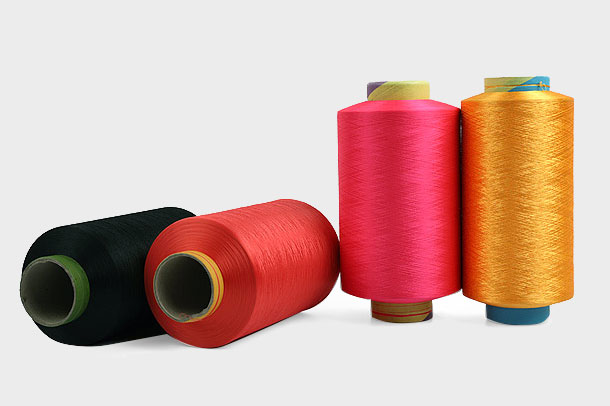
Denier (D) refers to the linear density of the yarn, representing the mass in grams per 9,000 meters, while filament count (f) indicates the number of individual continuous fibers bundled into a single yarn. When selecting polyester yarn dty for athletic apparel, the ratio between these two metrics dictates the fabric's weight and breathability. For instance, a 75d 72f polyester dty yarn offers a significantly softer hand-feel than a 75d 36f yarn, despite having the same total weight. This is because a higher filament count reduces the bending stiffness of the yarn, resulting in a more supple textile.
Standard filament yarns provide better abrasion resistance and structural rigidity, whereas micro-filament yarns excel in skin-touch comfort and moisture capillary action.
| Specification Type | Physical Characteristics | Primary Sportswear Application |
| Low Filament (e.g., 75D/36F) | Higher stiffness, rugged surface | Outerwear, windbreakers, protective gear |
| High Filament (e.g., 75D/72F or 144F) | Superior softness, high surface area | Base layers, yoga wear, cycling jerseys |
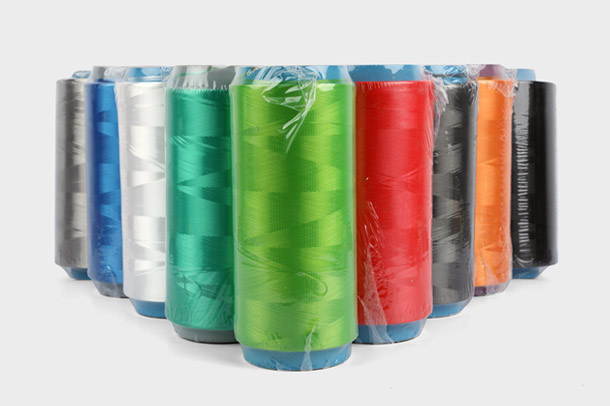
The primary function of high-performance sportswear is "moisture management." Utilizing high filament count polyester yarn is a strategic engineering choice to enhance the wicking speed. By increasing the number of filaments, the total surface area of the yarn increases exponentially, creating more "micro-channels" for capillary action to draw sweat away from the skin. When considering the benefits of dope dyed polyester dty yarn, manufacturers can achieve these performance goals while ensuring excellent color fastness and environmental sustainability, as the color is integrated into the polymer melt rather than applied via traditional aqueous dyeing.
As filament count increases for a fixed denier, the capillary pressure rises, significantly accelerating the evaporation of perspiration from the fabric surface.
| Fiber Architecture | Surface Area Index | Wicking Performance |
| Coarse Filament (Standard) | Lower | Moderate (Relies on fabric structure) |
| Fine Filament (High Count) | Higher | Excellent (Yarn-level moisture transport) |
The denier must be matched to the intended mechanical stress of the sport. Light-denier yarns (30D to 75D) are ideal for lightweight competition gear where every gram counts. Conversely, durable polyester dty for gym wear and contact sports often requires 150D or higher to prevent tearing and pill formation. At Zhejiang Hengyuan, our advanced texturing machines allow us to produce polyester yarn dty with varying crimp levels to ensure that even high-denier yarns maintain the necessary elasticity and bulk for compression garments.
The texturing process in polyester yarn dty introduces a three-dimensional crimp that provides inherent mechanical stretch without the excessive use of spandex. When evaluating polyester yarn dty vs fdy for sportswear, DTY is almost always preferred for base layers because the crimped filaments create an insulating layer of air and allow the fabric to move with the athlete. High-quality DTY, such as our Hengyun brand, ensures that the garment retains its shape after hundreds of wash cycles, a critical factor for "Green Environmental and Trust" certified companies.
| Yarn Category | Internal Geometry | Stretch Recovery |
| FDY (Fully Drawn) | Linear, Parallel filaments | Low (Non-textured) |
| DTY (Drawn Textured) | Helical, Crimped filaments | High (Mechanical stretch) |
Choosing the right polyester yarn dty is an optimization problem: one must balance denier for weight/durability against filament count for comfort/wicking. By selecting specialized specifications like 75d 72f polyester dty yarn, manufacturers can produce versatile sportswear that meets the rigorous demands of professional athletes. As a "Top 100 Industry Company in Xiaoshan," Zhejiang Hengyuan Chemical Fiber Group provides the scale and technical precision—from raw-white to dope-dyed colors—to empower your brand to reach new heights of performance and sustainability.
Polyester is hydrophobic, meaning it absorbs less than 1% of its weight in water, whereas cotton is hydrophilic and holds moisture. DTY’s textured structure provides the "cotton-like" feel without the weight and slow drying time of natural fibers.
FDY is smooth and flat, often used for shiny liners or satins. DTY is textured and bulky, providing the softness, stretch, and breathability required for garments that directly touch the skin during exercise.
Yes. Dope dyeing is an eco-friendly process that bypasses the high-water and high-energy demands of traditional dyeing, making it the superior choice for brands adhering to "Green Environmental" standards.
Use 72f for standard performance apparel where cost and durability are balanced. Choose 144f (Micro-fiber) for ultra-soft, premium yoga or intimate apparel where maximum skin comfort is the priority.
Yes. Our Winnertex and Henghang divisions specialize in both raw-white and dope-dyed colors, allowing for precise color matching and consistent quality across mass production runs up to 150,000 tons annually.

Zhejiang Hengyuan Chemical Fiber Group Co.,Ltd. is a professional China polyester filament yarns manufacturers and polyester color yarn suppliers, Established in 2006 ,located in YaQianTown Xiaoshan Hangzhou – One of the Center of polyester yarn Industry in China.

Products
Contact info
Copyright © Zhejiang Hengyuan Chemical Fiber Group Co.,Ltd. All rights reserved