Add: NYaqian Road No128 Yaqian Town Xiaoshan Hangzhou Zhe Jiang China.
Tel: 0086-0571-82602080
Fax: 0086-0571- 82758132
E-mail: [email protected]
Article Directory
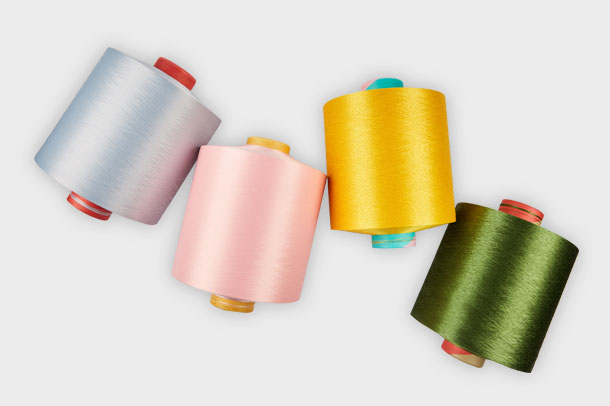
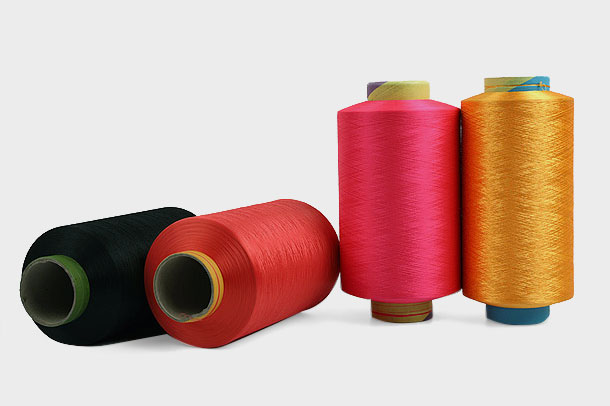
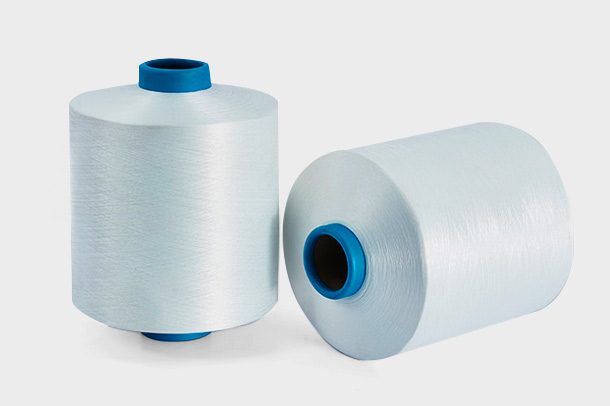
DTY yarn, short for draw texturized yarn, is a polyester filament yarn processed to add stretch, bulk, and a soft handfeel that flat, untextured filament yarn does not have on its own. It is one of the most widely used synthetic yarns in knitting, weaving, and apparel production because it combines the strength and cost efficiency of polyester with a fabric feel closer to natural fiber. This guide covers how DTY yarn is produced, the main variations available, where it is used, and how it compares with related filament yarn types.
DTY yarn is a synthetic textured yarn made by drawing and texturizing partially oriented yarn, commonly referred to as POY, through a heat and twist process that permanently imparts crimp and bulk to the filament structure. The draw texturized yarn process transforms a straight, relatively flat filament into a yarn with coil-like texture, which changes both how the yarn behaves mechanically and how the resulting fabric feels and stretches.
Polyester DTY filament yarn is produced continuously, meaning the individual filaments are not spun from short staple fibers but instead run as long, unbroken strands, which contributes to yarn strength and consistency. This textile yarn processing technology sits between two other polyester yarn categories: POY, which is the semi-finished intermediate yarn, and FDY, or fully drawn yarn, which is drawn but not texturized and therefore remains smoother and less elastic than DTY.
What is DTY yarn used for in textiles comes down to its combination of stretch and bulk, which makes it well suited to fabrics where comfort, drape, and recovery matter more than a perfectly smooth filament surface. How DTY yarn is made from POY follows a defined mechanical sequence, covered in detail later in this guide, while the difference between DTY and FDY yarn is primarily the presence or absence of the texturizing step that gives DTY its characteristic crimp.
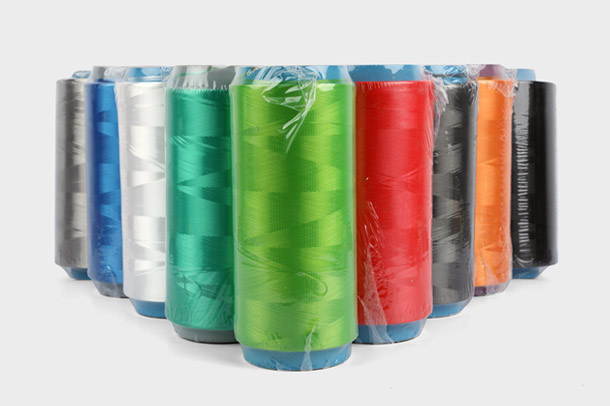
DTY yarn is categorized mainly by luster and by the degree of stretch or texture applied during processing, giving manufacturers several variants to match different fabric requirements.
| DTY Type | Key Characteristic | Typical Fabric Use |
| Semi dull DTY yarn | Moderate luster, reduced light reflection | General apparel and knitwear |
| Full dull polyester DTY | Matte surface, minimal shine | Fabrics requiring a natural-fiber-like appearance |
| Bright DTY filament yarn | High luster, more reflective surface | Linings, decorative and technical fabrics |
| High stretch DTY yarn | Increased elasticity and recovery | Activewear, sportswear, form-fitting garments |
| Intermingled DTY yarn | Filaments interlaced for cohesion | Weaving applications requiring yarn integrity |
The difference between dull and bright DTY yarn lies in a delustering additive introduced during fiber production, which scatters light differently across the filament surface. Dull variants are generally chosen when a fabric needs to resemble the softer light-absorbing look of cotton or wool, while bright DTY filament yarn is selected when a fabric benefits from a more reflective, polished surface. These textured yarn variations in the polyester industry allow the same base texturizing process to serve a wide range of finished fabric appearances and performance needs.
DTY yarn is used extensively across knitted fabric production, woven textile manufacturing, sportswear, home textiles, and general garment manufacturing.
DTY yarn for clothing and apparel production spans nearly every garment category, from everyday casualwear to technical sportswear, because the yarn's properties can be tuned through denier, filament count, and texturizing settings. Applications of polyester DTY yarn in fabrics also extend into blended yarns, where DTY is combined with other fibers to balance cost, performance, and hand feel in the final textile.
Buyers and fabric producers typically evaluate DTY yarn against five core performance properties: elasticity, bulkiness, softness, wrinkle resistance, and durability.
Elasticity yarn performance in DTY comes directly from the texturizing process, which introduces a coiled filament structure capable of stretching under tension and recovering when the tension is released, a mechanical behavior that flat filament yarn does not replicate on its own.
Bulkiness textured yarn refers to the increased apparent volume DTY yarn occupies relative to its actual filament weight, which allows fabrics to feel fuller and warmer without a proportional increase in material use. Softness fabric yarn is closely tied to this same bulk, since the crimped filament structure reduces the yarn's surface rigidity, giving finished fabrics a more pliable handfeel than smooth filament alternatives.
Wrinkle resistance fiber performance is a natural byproduct of polyester's inherent thermoplastic properties combined with the heat-set texturizing process, which helps DTY-based fabrics recover from creasing more readily than many natural fiber fabrics. Durability polyester filament properties, including resistance to abrasion and dimensional stability over repeated washing, round out the reasons why DTY yarn remains a standard input across a wide range of textile categories where why DTY yarn is used for stretch fabrics is a frequent buyer question.
DTY yarn production begins with POY and proceeds through a defined mechanical sequence known as false twist texturizing, which draws, twists, heat-sets, and untwists the filament in a continuous operation.
This filament yarn production line integrates several mechanical stages into a single continuous pass, which is a key reason DTY yarn can be produced at high volume with consistent properties. The broader polyester spinning process that creates the original POY feedstock occurs upstream of texturizing, meaning DTY manufacturing is best understood as a secondary processing stage built on top of primary polyester filament spinning.
DTY, FDY, and POY all originate from the same polyester filament spinning process but diverge based on how much drawing and texturizing each yarn receives before use.
The DTY versus FDY yarn comparison generally centers on texture and stretch: FDY yarn structure comparison shows a smoother, more uniform filament suited to fabrics where a crisp, flat surface is desired, while DTY yarn's texturized structure suits fabrics prioritizing softness and elasticity. POY versus DTY yarn differences are more fundamental, since POY is not a finished yarn at all but a semi-processed intermediate that must be drawn and typically texturized before it can be used in fabric production. In the broader stretch yarn versus non-stretch yarn framing, DTY sits firmly in the stretch category, while FDY behaves closer to a non-stretch filament yarn despite sharing the same polyester chemistry.
Like any synthetic filament yarn, DTY has characteristic limitations that fabric producers plan around during product development and processing.
Does DTY yarn pill easily is a common concern, and the answer depends heavily on fabric construction and finishing rather than the yarn alone; tightly constructed fabrics with appropriate finishing generally show less pilling than loosely knit structures. Disadvantages of DTY yarn in textiles are generally manageable through processing controls, which is part of why DTY remains a dominant yarn choice despite these known limitations of polyester textured yarn.
Recycled polyester DTY yarn is an increasingly visible segment of the textile market, driven by broader sustainable textile fiber trends and growing demand for materials produced from recycled plastic feedstock rather than virgin polyester resin.
Eco friendly yarn production methods are being explored across the texturizing and dyeing stages of DTY manufacturing, aiming to reduce water and energy use without compromising the yarn's core stretch and bulk properties. High performance synthetic fibers, including specialty DTY variants engineered for specific stretch, moisture handling, or durability profiles, continue to expand the yarn's role in technical and performance fabric categories. The future of DTY yarn industry growth is closely tied to the circular textile economy, as recycling infrastructure for polyester textile waste matures and creates more consistent recycled feedstock for DTY production. Sustainable trends in synthetic yarn production suggest that recycled and conventional DTY yarn will likely coexist for the foreseeable future, with recycled DTY polyester market growth expanding gradually as supply chains and quality consistency continue to develop.
DTY yarn is a draw texturized polyester filament yarn produced by drawing and heat-setting POY into a crimped, stretchable structure suitable for knitting and weaving.
DTY yarn is used in knitted and woven fabrics for apparel, sportswear, and home textiles, wherever stretch, bulk, and a soft handfeel are desired in the finished fabric.
DTY is texturized to create a crimped, stretchable structure, while FDY is drawn but not texturized, resulting in a smoother, flatter filament with less elasticity.
Yes, DTY yarn is inherently stretchable due to the texturizing process, with high stretch DTY variants offering even greater elasticity for activewear and form-fitting fabrics.
DTY yarn is made by feeding POY through a false twist texturizing machine, where it is drawn, twisted, heat-set, and untwisted to permanently form a crimped filament structure.
Yes, DTY yarn is predominantly produced from polyester filament, making it one of the most common synthetic textured yarns used in global textile manufacturing.

Zhejiang Hengyuan Chemical Fiber Group Co.,Ltd. is a professional China polyester filament yarns manufacturers and polyester color yarn suppliers, Established in 2006 ,located in YaQianTown Xiaoshan Hangzhou – One of the Center of polyester yarn Industry in China.

Products
Contact info
Copyright © Zhejiang Hengyuan Chemical Fiber Group Co.,Ltd. All rights reserved