Add: NYaqian Road No128 Yaqian Town Xiaoshan Hangzhou Zhe Jiang China.
Tel: 0086-0571-82602080
Fax: 0086-0571- 82758132
E-mail: [email protected]
Article Directory
Not every generic thread can withstand the mechanical stress of industrial or hobby processing. While a specialized functional yarn engineered with high tensile strength can easily optimize product lifespans, using brittle or weak fibers for high-speed tufting will cause frequent line snaps and backing tears. Modern textile engineering confirms that yarns can be engineered as precise blends of natural and synthetic fibers to achieve balanced performance metrics. Furthermore, when applications demand a completely non-fuzzy surface profile, manufacturers must utilize continuous filament synthetics or combed, gassed combed cotton yarns to eliminate micro-fiber migration and surface pilling.
Tufting requires feeding a yarn strand through a high-frequency reciprocating pneumatic or electric needle that punches through a primary backing cloth. This process subjects the fiber to severe friction, directional shearing forces, and sudden tension changes. Consequently, fragile, single-ply lace weight yarns or low-twist roving fibers cannot be used for tufting because they instantly shred inside the needle eye.
The standard choice for commercial carpet tufting is a multi-ply, high-twist 100% acrylic or wool yarn with an optimal thickness matching a 4-ply medium or bulky weight designation.
Acrylic yarn provides high tensile strength, rich color vibrance, and strong resistance to pile crushing under foot traffic. Wool offers natural flame retardancy and excellent resilience, though it generates more fiber lint during high-speed production loops.
Blending different fiber categories is a foundational technique used to design target performance profiles. By combining natural fibers with synthetic polymers, textile engineers create hybrid structures that optimize the strengths of each component while mitigating their inherent limitations.
Consider a classic intimate blend of 65% polyester and 35% cotton. Cotton provides excellent moisture absorption, breathability, and a soft hand feel against the skin. However, 100% cotton garments suffer from low dimensional stability, shrinking heavily when laundered and wearing through quickly under abrasion.
By introducing long-chain polyester filaments into the carding matrix, the resulting hybrid material benefits from polyester's high tensile strength, resistance to chemical degradation, and excellent wrinkle recovery. This blending process yields an affordable, durable textile suitable for commercial uniforms and high-stress home furnishings.
Altering the ratio of natural to synthetic components changes the physical performance limits of the spun material. The table below outlines how common industrial blends compare:
| Fiber Composition Ratio | Primary Performance Advantage | Mechanical Tensile Limit | Typical End-Use Scenario |
|---|---|---|---|
| 80% Wool / 20% Nylon | Maximum elasticity combined with superior abrasion resistance | High dynamic memory retention | Commercial heavy-traffic carpets and luxury rugs |
| 100% Continuous Filament Polyester | Zero lint shedding, zero pilling, absolute surface clarity | Maximum structural breaking strength | Cleanroom apparel, filtration media, medical gear |
| 60% Cotton / 40% Acrylic | Resists shrinkage while retaining soft, breathable comfort | Moderate wet-modulus stability | High-use consumer knitwear and tufted wall art |
| 50% Bamboo / 50% Recycled PET | Natural antimicrobial properties with eco-friendly durability | Enhanced structural wear lifespan | Performance athletic wear and acoustic panels |
Fuzziness, or hairiness, occurs when short staple fiber ends escape the main yarn body and protrude outward from the core surface. Over time, friction causes these loose ends to tangle together into small, unsightly fiber balls called pills. To eliminate fuzziness entirely, you must choose materials with a continuous filament structure or specific technical finishes.
Maintaining consistency across high-volume production lots requires tracking several distinct technical parameters. For example, during the ring spinning process, if the spindle speed fluctuates or if the ambient relative humidity falls below 50%, static electricity will build up along the draft zone. This static forces short fibers to push outward from the core wire, creating high hairiness metrics that compromise the final stitch definition.
Industrial spinning mills use optical sensors to continuously monitor hairiness indices per 1000 meters of completed line. Any lot exceeding standard deviation limits must be redirected to mercerization or down-graded to low-speed weaving applications to preserve final product quality.
Before releasing a batch of material for commercial tufting or garment fabrication, verify compliance with these objective quality metrics:

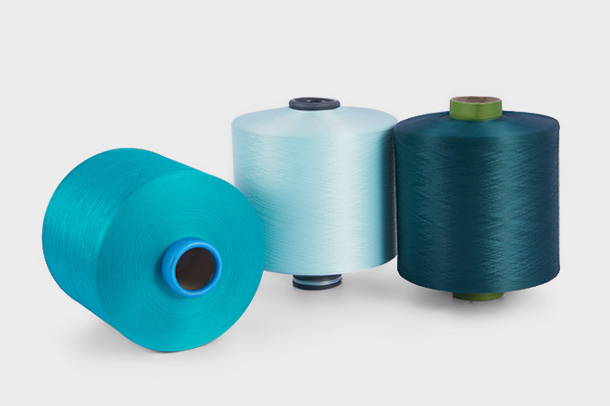
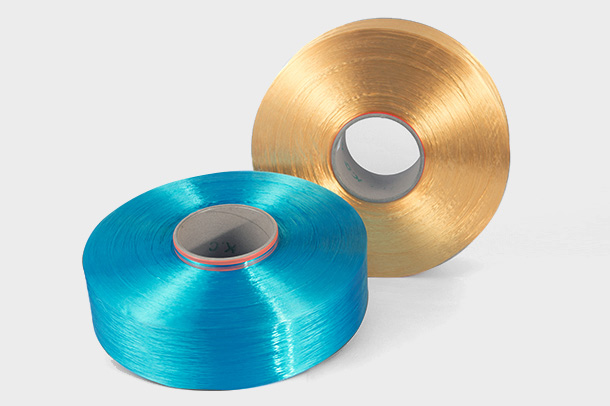
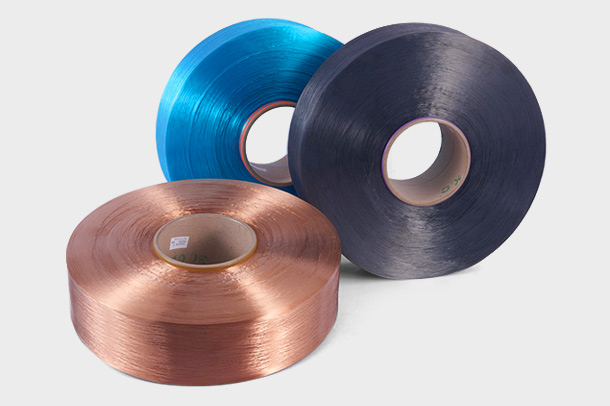
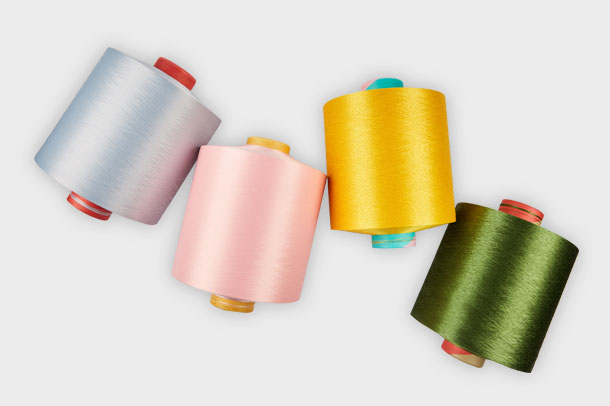
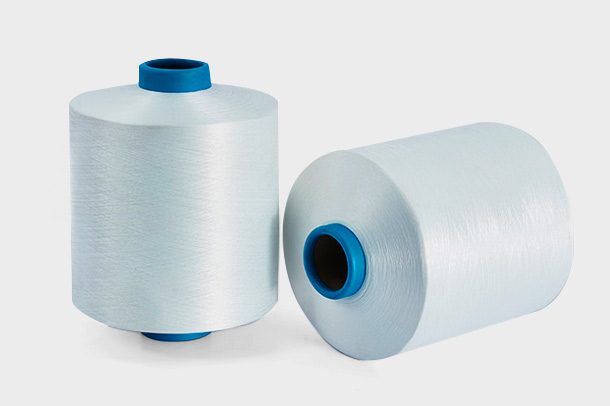
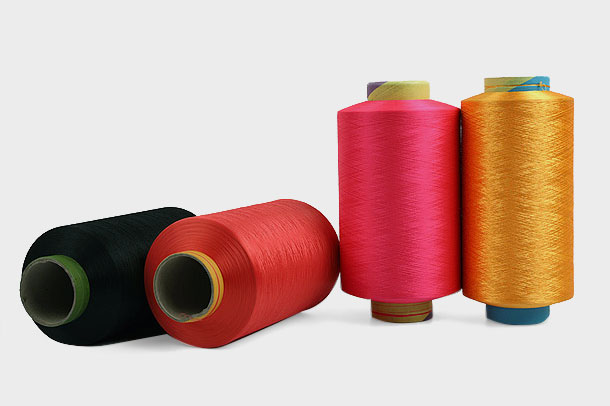
Zhejiang Hengyuan Chemical Fiber Group Co.,Ltd. is a professional China polyester filament yarns manufacturers and polyester color yarn suppliers, Established in 2006 ,located in YaQianTown Xiaoshan Hangzhou – One of the Center of polyester yarn Industry in China.

Products
Contact info
Copyright © Zhejiang Hengyuan Chemical Fiber Group Co.,Ltd. All rights reserved