Add: NYaqian Road No128 Yaqian Town Xiaoshan Hangzhou Zhe Jiang China.
Tel: 0086-0571-82602080
Fax: 0086-0571- 82758132
E-mail: [email protected]
Article Directory
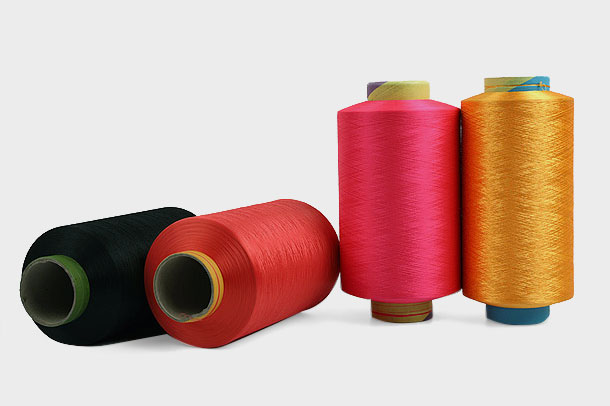
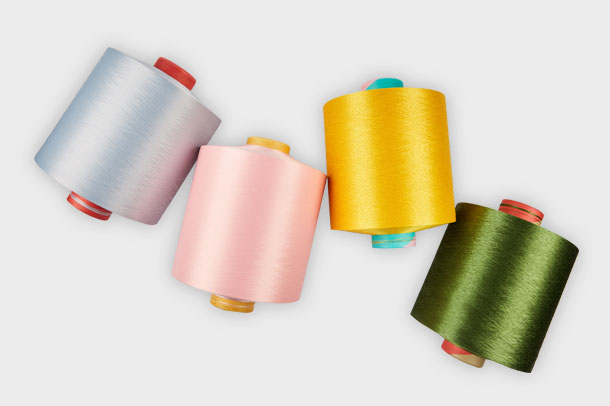
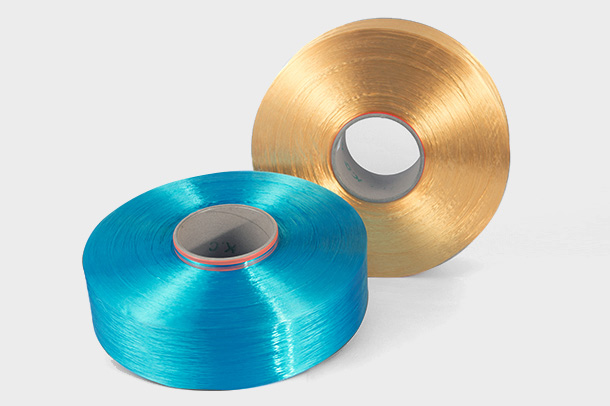
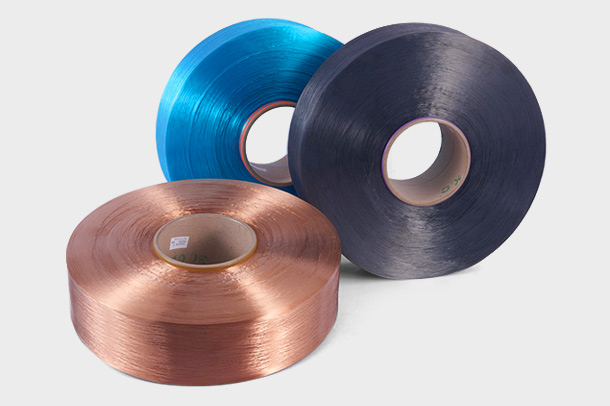
Polyester Drawn Textured Yarn (DTY) is a semi-finished commodity where quality inconsistency can severely compromise the efficiency of downstream processes (weaving, knitting) and the integrity of the final product, such as upholstery cloth or blankets. For B2B buyers, understanding the critical quality indicators is essential for ensuring that bulk purchases meet demanding end-use specifications. The Polyester Drawn Textured Yarn (DTY) process involves drawing, twisting, and heat-setting to impart bulk, stretch, and a softer hand-feel, all of which must be rigorously controlled. Zhejiang Hengyuan Chemical Fiber Group Co., Ltd., situated in the heart of China's polyester yarn industry, operates with a capacity of 150 thousand tons of polyester yarn annually, specializing in FDY, POY, and DTY from 30D to 600D. As a high-tech enterprise, our foundation lies in maintaining constant and stable quality through advanced manufacturing and dedicated testing protocols, allowing us to serve global markets reliably.
The mechanical properties of Polyester Drawn Textured Yarn (DTY) are the primary indicators of its processability and end-use durability. These metrics are heavily influenced by the manufacturing process, particularly the settings during the drawing and texturing stages. For instance, achieving high DTY yarn tenacity relies on precise draw ratio optimization for DTY yarn tenacity during the drawing phase to properly align the polymer molecules without causing premature structural damage.
Tenacity (breaking strength per unit denier) dictates the yarn's ability to withstand tension during high-speed textile operations. Elongation (stretch before break) determines the fabric's elasticity and recovery. Testing is typically performed using sophisticated tensile testers conforming to standards like ASTM D2256. A low elongation value can indicate poor long-term stress cracking resistance of CPVC fittings in the yarn, while excessively high tenacity without corresponding elongation may lead to a harsh hand-feel. Here is a general comparison of typical target ranges for different DTY applications:
| Application Type | Tenacity (cN/dtex) - Minimum | Elongation (%) - Range | Focus of Draw Ratio Optimization |
|---|---|---|---|
| Weaving (High Tension) | 3.0 - 4.5 | 20 - 30 | Maximized strength with moderate stretch. |
| Knitting (Low Tension) | 2.5 - 3.5 | 30 - 45 | Higher elasticity and softer feel. |
Crimp rigidity measures the force required to compress the textured yarn, directly correlating to the bulk and covering power of the resulting fabric. Stability measures the crimp's ability to recover after tension. The DTY crimp rigidity test standards ensure that the yarn provides the required volume and resilience for products like upholstery and blankets. If crimp rigidity is too low, the yarn will flatten prematurely; if too high, the fabric will be stiff and boardy.
Dimensional uniformity and color consistency are critical for textile converters. Inconsistent denier or variations in dye uptake lead directly to defects like barre or stripiness in the finished fabric, necessitating strict denier variation control in textured yarn production and dyeing consistency checks.
Linear density variation, quantified by the Coefficient of Variation (CV%) or U% (Unevenness percentage), must be minimized. High CV% signifies inconsistent yarn thickness, leading to irregular appearance and poor mechanical stress distribution in the fabric. Testing involves electronic Uster-type instruments that measure and record variations across the bobbin, ensuring that every meter of the Polyester Drawn Textured Yarn (DTY) meets the specification.
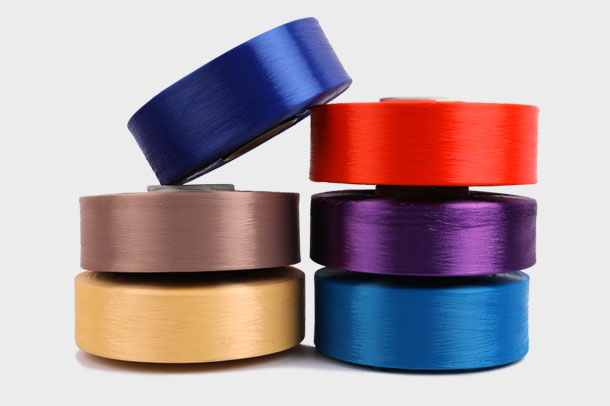
For both raw-white and our specialized dope-dyed Colors, ensuring consistent dye affinity is paramount. Polyester DTY uneven dyeing control is verified through chemical hot-water shrinkage tests and, for raw-white yarn, through laboratory dyeing tests using standard dyestuffs. Any difference in thermal history during the texturing process can create variations in molecular structure, leading to distinct shades when dyed—a critical defect for apparel and home textiles. Our integrated process, from yarn to fabric, allows for stringent control over this critical parameter.
High-speed textile machinery requires yarn with minimal defects. Defects such as excessive broken filaments or unstable interlacement points cause machine stops, reducing efficiency, increasing operational costs, and impacting product quality.
Tangle points (or knots) are intentionally introduced using an air jet to bind the individual filaments together, which is essential for handling. The Tangles Per Meter (TPM) frequency must be controlled: too few leads to filament scattering (fly), and too many can cause breakage during unwinding. Our air jet texturing machines are precisely calibrated to ensure the optimal and stable frequency required by the customer's specific knitting or weaving setup.
Broken filaments expose yarn fibers, leading to snagging and pilling on the final fabric surface. DTY filament break testing protocol is often performed automatically on-line using optical sensors and off-line using inspection methods, with the acceptable limit being extremely low (e.g., less than 0.5 broken filaments per 100 meters). Strict denier variation control in textured yarn production also helps mitigate filament breakage by reducing thin spots prone to weakness.
The performance of the Polyester Drawn Textured Yarn (DTY) is a direct outcome of meticulous technical control over physical, aesthetic, and structural parameters. From draw ratio optimization for DTY yarn tenacity to rigorous DTY crimp rigidity test standards and polyester DTY uneven dyeing control, comprehensive quality assurance is mandatory. Zhejiang Hengyuan Chemical Fiber Group Co., Ltd., utilizing our high-volume production capacity and position as a high-tech enterprise, commits to delivering DTY products—both raw-white and dope-dyed—that consistently meet these elevated technical benchmarks, ensuring stability for our global partners.

Zhejiang Hengyuan Chemical Fiber Group Co.,Ltd. is a professional China polyester filament yarns manufacturers and polyester color yarn suppliers, Established in 2006 ,located in YaQianTown Xiaoshan Hangzhou – One of the Center of polyester yarn Industry in China.

Products
Contact info
Copyright © Zhejiang Hengyuan Chemical Fiber Group Co.,Ltd. All rights reserved