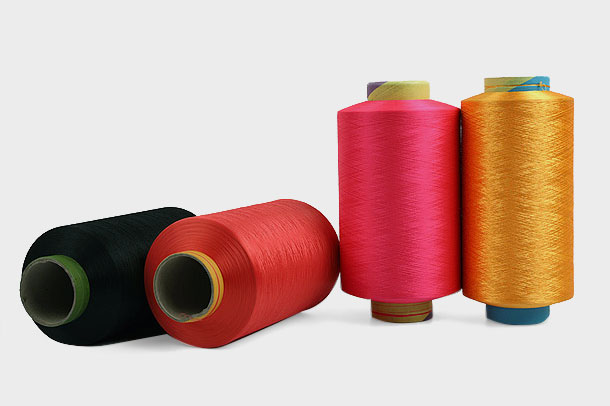
Quick Answer: Yes, carpets and rugs are made from yarn. The most common fiber types are wool, nylon, polyester, and polypropylene. Wool leads in natural performance; nylon leads in synthetic durability; carpet yarns and rug yarns made from polyester deliver strong color retention at lower cost; cotton suits flat-weave accent rugs better than high-traffic flooring.
Is Carpet Made of Yarn?
Yes. Every tufted, woven, or hand-knotted carpet begins with yarn. In tufted carpets—which account for roughly 90% of all carpet sold in the United States—yarn is punched through a primary backing using rows of needles, then locked in place with latex and a secondary backing layer. In woven constructions such as Axminster and Wilton, yarn interlaces directly with the structural backing threads. In hand-knotted rugs, individual yarn strands are tied around warp threads one knot at a time, sometimes reaching densities of 300–500 knots per square inch in fine Persian or Turkish pieces.
The yarn's fiber type, twist level, and pile height collectively determine how a finished carpet looks, feels underfoot, and how long it lasts. Choosing the right yarn is therefore not a secondary detail—it is the central decision in carpet quality.
What Kind of Yarn Is Used for Rugs and Carpets?
Both natural and synthetic fibers are used, each with distinct trade-offs across durability, softness, stain resistance, and price.
Wool
Wool is the oldest and most respected carpet fiber. Its natural crimp gives yarn resilience—pile springs back after compression rather than flattening permanently. Lanolin in the fiber resists moisture and mild soiling. High-quality wool carpets regularly last 25–50 years with proper care. The trade-off is cost: wool carpet typically runs $5–$25 per square foot, compared to $2–$7 for synthetic options.
Nylon
Nylon (polyamide) has dominated the synthetic carpet market since the 1960s. It withstands high foot traffic better than any other synthetic, resists abrasion, and accepts solution-dyeing or piece-dyeing uniformly. Type 6,6 nylon—used by brands such as Stainmaster—offers slightly better resilience than Type 6. Nylon accounts for approximately 65% of synthetic carpet fiber sold in North America.
Polyester (PET)
Polyester yarn is inherently stain-resistant because the fiber is hydrophobic—liquids bead on the surface rather than penetrating. It holds vibrant, fade-resistant color exceptionally well, making it a popular choice for bold or patterned rugs. Modern polyester carpet has improved significantly in resilience compared to earlier generations. It is also frequently made from recycled PET bottles, appealing to sustainability-focused buyers. Price typically ranges from $1–$5 per square foot.
Polypropylene (Olefin)
Polypropylene is solution-dyed, meaning color is locked into the fiber at the extrusion stage rather than applied afterward. This makes it highly resistant to bleach, UV fading, and moisture—ideal for outdoor rugs, basement flooring, and marine environments. Its weakness is poor resilience under concentrated pressure; furniture legs can leave permanent indentations.
Cotton
Cotton yarn is soft, absorbent, and easy to wash, but it lacks the elasticity needed for deep-pile carpets. It is best suited for flat-weave rugs, dhurries, and bath mats that see light foot traffic and frequent laundering.
| Fiber | Durability | Stain Resistance | Softness | Approx. Cost (per sq ft) | Best Use |
|---|---|---|---|---|---|
| Wool | Excellent | Good (natural lanolin) | High | $5–$25 | Living rooms, stairs, heirloom rugs |
| Nylon | Excellent | Good (treated) | Medium–High | $2–$7 | High-traffic areas, commercial spaces |
| Polyester | Good | Excellent (hydrophobic) | High | $1–$5 | Bedrooms, low-traffic areas, patterned rugs |
| Polypropylene | Moderate | Excellent (bleach-safe) | Medium | $1–$4 | Outdoors, basements, kitchens |
| Cotton | Low–Moderate | Poor (absorbs stains) | High | $1–$4 | Flat-weave accent rugs, bath mats |
Is Cotton Yarn Good for Rugs?
Cotton yarn is good for specific rug types, but not for general carpet use. Here is why the distinction matters:
- Washability: Cotton rugs can be machine-washed, which makes them practical for kitchens, bathrooms, children's rooms, and entryways where spills are frequent.
- Flatness: Cotton has very little natural crimp or memory. It lies flat easily, which is perfect for dhurries, kilims, and woven accent rugs, but means pile-style cotton rugs flatten quickly under foot traffic.
- Absorbency: Cotton absorbs moisture readily—a plus for bath mats, a minus for dining rooms or any area prone to spills, as stains penetrate the fiber rather than sitting on the surface.
- Cost: Cotton is affordable and widely available, making it a practical choice for seasonal or decorative rugs not meant to last decades.
The conclusion: use cotton yarn rugs as washable, decorative, or low-traffic pieces. For stairs, hallways, or living areas that see daily use, wool, nylon, or polyester yarn will significantly outperform cotton in longevity.
Why Is Wool Carpet Better Than Nylon?
The claim that wool is "better" than nylon depends on the criteria, but wool holds meaningful advantages in several key areas:
Natural Resilience and Pile Recovery
Wool fibers have a natural three-dimensional crimp structure. When compressed by furniture or foot traffic, wool pile recovers its shape more readily than most synthetics. Independent flooring tests have shown wool pile retaining up to 95% of its original height after compression tests that left nylon at roughly 85–90%.
Flame Resistance
Wool is inherently flame-retardant. It requires a much higher temperature to ignite than nylon (wool ignites around 570–600°C vs. nylon at approximately 420°C), self-extinguishes when the flame source is removed, and does not melt or drip. This is why wool carpet is required or strongly preferred in commercial buildings, hotels, and aircraft interiors under fire safety codes.
Air Quality and Humidity Regulation
Wool can absorb up to 30% of its weight in moisture without feeling damp, buffering indoor humidity fluctuations. It also absorbs and locks in certain airborne pollutants (formaldehyde, nitrogen dioxide), releasing them only when professionally cleaned. Studies by the AgResearch Wool Research Organisation found that rooms with wool carpet had measurably lower concentrations of volatile organic compounds (VOCs) than rooms with synthetic carpet.
Longevity and Lifecycle Cost
A quality wool carpet installed in a medium-traffic living room can realistically last 30–50 years. Premium nylon typically lasts 15–25 years in comparable conditions. When calculated over the full lifecycle, the higher upfront cost of wool often works out to a lower cost per year of service.
Where Nylon Has the Edge
Nylon is not without its strengths. It outperforms wool in:
- Moisture resistance: Nylon does not absorb water the way wool does, making it preferable in basements or humid climates.
- Colorfastness under staining treatments: Nylon treated with stain-resist chemistry (e.g., Stainmaster, Scotchgard) is easier to maintain in homes with pets or young children.
- Cost accessibility: For large commercial installations covering thousands of square feet, nylon's lower price point often makes it the practical default.
How Yarn Construction Affects Carpet Performance
Beyond fiber type, the way yarn is constructed dramatically changes how a carpet performs:
- Twist level: Measured in twists per inch (TPI). Higher twist (5–9 TPI) produces harder-wearing, crisper-looking cut pile. Lower twist creates a softer, more casual texture. Frieze carpets use very high twist, which causes the yarn to curl and effectively hide footprints.
- Heat setting: Twisted yarn is heat-set (using steam or dry heat) to lock the twist permanently. Without heat setting, yarn unravels under traffic. This step is what separates durable commercial carpet yarn from lower-quality residential products.
- Ply: Most carpet yarn is 2-ply or 3-ply—multiple strands twisted together. Higher ply generally means greater bulk and durability.
- Pile weight and density: Measured in ounces per square yard. A dense, heavy pile (40 oz+) almost always outperforms a lighter pile (20–28 oz) regardless of fiber type, because more yarn per unit area means more material to absorb wear.
Choosing the Right Yarn for Your Rug or Carpet Project
Match your fiber choice to the actual demands of the space:
- High-traffic hallways, stairs, and commercial areas: Wool or heat-set nylon with a pile weight above 35 oz/yd².
- Bedrooms and low-traffic living spaces: Polyester offers maximum softness and color vibrancy at an accessible price.
- Outdoor patios, pool surrounds, basements: Solution-dyed polypropylene; look for UV-stabilized yarn for prolonged sun exposure.
- Handwoven, flat-weave, or washable accent rugs: Cotton or wool blends work well and suit DIY rug-making projects.
- Eco-conscious projects: Recycled polyester (rPET) yarn delivers comparable performance to virgin polyester with a significantly lower carbon footprint.