Add: NYaqian Road No128 Yaqian Town Xiaoshan Hangzhou Zhe Jiang China.
Tel: 0086-0571-82602080
Fax: 0086-0571- 82758132
E-mail: [email protected]
Article Directory
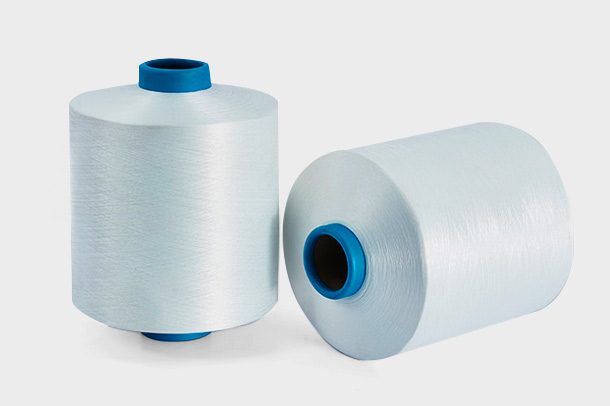
Polyester Drawn Textured Yarn is produced through drawing and texturing processes that introduce bulk, elasticity, and softness to the filament structure. The most critical specification parameter is denier, which directly influences fabric hand feel, strength, elasticity, and application suitability.
In industrial practice, DTY is typically available from 30D to 600D. Lower denier yarns emphasize softness and fineness, while higher denier yarns focus on strength, abrasion resistance, and structural stability. Understanding polyester DTY yarn denier applications is essential for selecting the correct yarn for downstream fabric production.
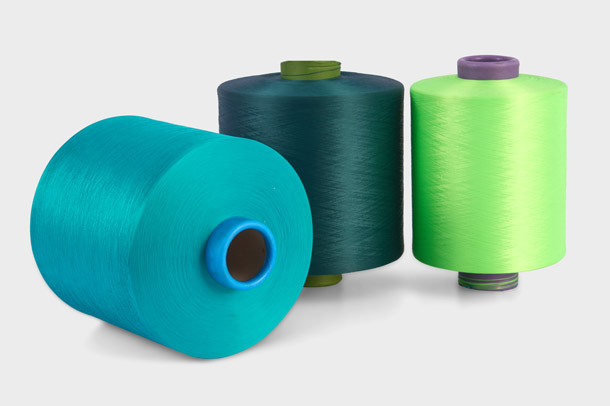
Low denier polyester DTY yarn, generally ranging from 30D to 75D, is characterized by fine filament count, high flexibility, and excellent surface smoothness. These properties make it suitable for lightweight and comfort-focused textiles.
| Parameter | Low Denier DTY | High Denier DTY |
| Hand Feel | Soft and smooth | Firm and robust |
| Fabric Weight | Light | Heavy |
| Primary Use | Apparel lining, light fabrics | Upholstery, carpets |
Medium denier DTY, typically between 100D and 300D, offers a balance between strength and comfort. This range is widely adopted due to its adaptability across multiple fabric structures.
| Aspect | Medium Denier DTY | Low Denier DTY |
| Tensile Strength | Moderate to high | Lower |
| Elastic Recovery | Stable | High |
| Application Range | Broad | Limited |
High denier polyester DTY yarn, typically above 300D, is engineered for applications requiring durability, abrasion resistance, and long service life. The textured structure enhances bulk while maintaining mechanical strength.
| Feature | High Denier DTY | Medium Denier DTY |
| Abrasion Resistance | High | Medium |
| Fabric Thickness | Thick | Moderate |
| End-Use Environment | High load | General |
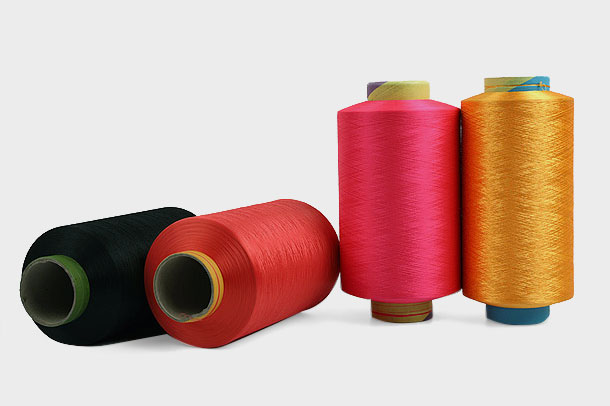
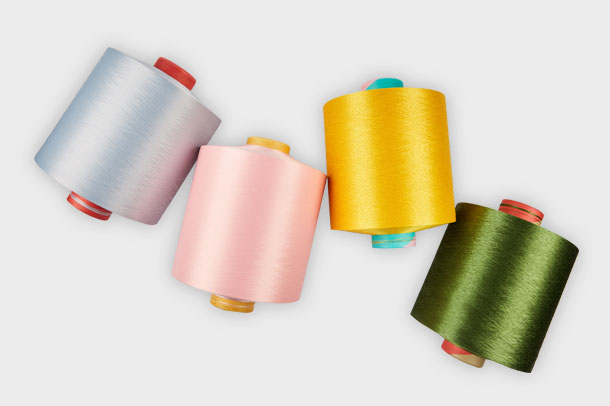
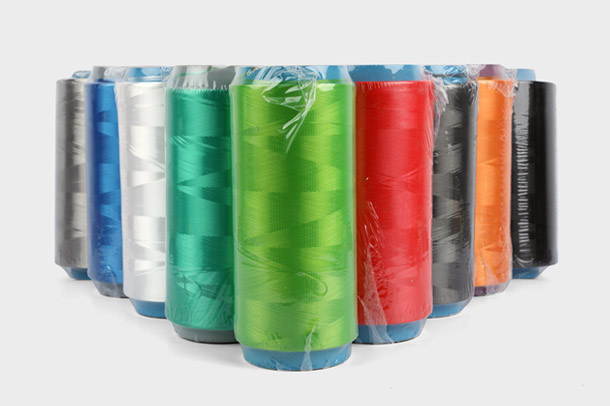
DTY can be supplied as raw-white or colored through dope dyeing. Dope dyed polyester DTY yarn integrates pigment during polymer extrusion, ensuring superior color consistency and resistance.
| Aspect | Raw-White DTY | Dope Dyed DTY |
| Color Fastness | Standard | Excellent |
| Dyeing Flexibility | High | Limited |
| Environmental Impact | Higher water use | Lower water use |
For applications exposed to sunlight or frequent washing, dope dyed DTY offers long-term color stability and reduced processing steps.
Zhejiang Hengyuan Chemical Fiber Group Co., Ltd., established in 2006 in Xiaoshan, Hangzhou, operates integrated polyester yarn and fabric production facilities. With stable capacity and a wide denier range, the group supports precise DTY selection based on application performance requirements.
Lower denier DTY produces finer, softer fabrics, while higher denier DTY enhances strength, thickness, and abrasion resistance.
Medium denier DTY is the most versatile, but optimal performance is achieved when denier is matched precisely to the end-use.
Yes, dope dyed DTY provides superior color stability, especially for applications with light exposure.
Elastic recovery affects fabric shape retention, particularly in upholstery and stretch fabrics.
Consistency in denier, stable supply capacity, process control, and application-specific technical support are key factors.

Zhejiang Hengyuan Chemical Fiber Group Co.,Ltd. is a professional China polyester filament yarns manufacturers and polyester color yarn suppliers, Established in 2006 ,located in YaQianTown Xiaoshan Hangzhou – One of the Center of polyester yarn Industry in China.

Products
Contact info
Copyright © Zhejiang Hengyuan Chemical Fiber Group Co.,Ltd. All rights reserved